
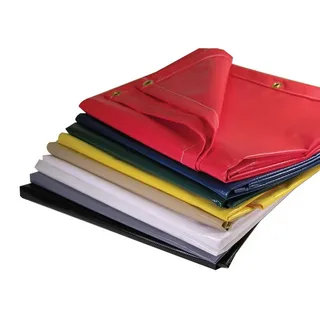
Dubai’s rapid urban growth, bustling logistics sector, and dynamic construction projects have created an ever-growing need for reliable and versatile materials that can withstand harsh environmental conditions while offering practicality. Among these materials, tarpaulin sheets have emerged as a fundamental solution for protection, storage, and temporary shelter applications. Far more than just a covering, tarpaulin sheets provide durability, water resistance, and adaptability. They making them an essential tool across construction, transportation, agriculture, and events.
Recent market observations suggest that over 65% of construction and logistics projects in Dubai utilize tarpaulin sheets for protective covering, while nearly 50% of outdoor storage solutions rely on tarpaulin for weatherproofing and dust protection. Additionally, estimates indicate that projects using high-quality tarpaulin sheets experience up to 40% fewer material damages due to environmental exposure, highlighting their practical value in the city’s demanding operational environments.
Tarpaulin Sheets
Tarpaulin sheets, commonly known as tarps, are large, strong, and flexible sheets made from materials such as polyethylene, canvas, or PVC. Manufacturers design tarpaulin sheets to protect against weather elements, dust, debris, and UV radiation. In Dubai, high temperatures, dust storms, and occasional rain increase the demand for reliable tarpaulins. They provide a reliable barrier that safeguards construction materials, goods in transit, and temporary workspaces from environmental damage.
Tarpaulins come in various types, including waterproof, fire-retardant, UV-resistant, and reinforced options. This versatility allows businesses, construction managers, and event organizers to select sheets that match the specific demands of their projects, whether it’s shielding machinery, covering goods, or creating temporary shelters.
Applications in Construction and Industry
The construction sector in Dubai relies heavily on tarpaulin sheets to maintain project timelines and prevent damage to expensive materials. Tarps are commonly used to cover cement, sand, and steel rods, protecting them from moisture and corrosion. They are also employed to shield scaffolding areas, providing safety for workers while reducing dust dispersal to surrounding zones.
Industrial facilities, warehouses, and logistic hubs also depend on tarpaulins for storage solutions. They cover goods in transit, protect equipment from harsh sun exposure, and prevent contamination from dust and debris. Tarpaulin sheets, especially those reinforced with PVC or polyethylene, provide a cost-effective and durable solution for extending the lifespan of materials while maintaining operational efficiency.
Agricultural and Outdoor Uses
In addition to industrial and construction applications, tarpaulin sheets play a significant role in Dubai’s agricultural sector and outdoor activities. They serve as protective covers for crops, irrigation systems, and storage of fertilizers or tools. Farmers use tarpaulins to prevent water loss, control soil erosion, and shield crops from excessive sunlight during peak summer months.
For outdoor events, people use tarpaulin sheets to create temporary shelters, tents, or canopies. Their lightweight and portable nature allows organizers to set up protective covers quickly while offering durability against sun, rain, and wind. This makes tarpaulins an essential material for exhibitions, markets, weddings, and festivals in Dubai.
Durability and Environmental Resistance
One of the most valued aspects of tarpaulin sheets is their durability. High-quality tarps are resistant to tearing, stretching, and UV damage, ensuring long-term usability even under harsh conditions. In Dubai, where high temperatures and sandstorms are frequent, tarpaulins must be robust enough to withstand abrasion and maintain their protective properties.
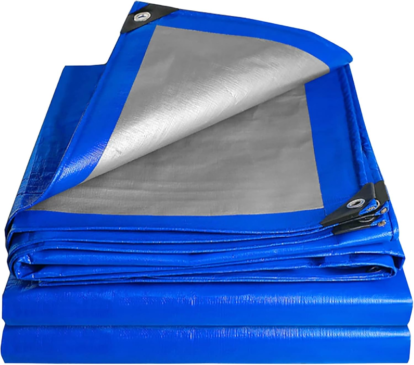
Some tarpaulin sheets are designed to be flame-retardant, waterproof, and UV-stabilized, providing multi-layered protection for sensitive materials. Reinforced eyelets, ropes, and grommets enhance the usability of tarps, allowing them to be securely fastened to vehicles, scaffolding, or storage areas. These design features make tarpaulin sheets an indispensable tool for both temporary and semi-permanent applications.
Cost-Effectiveness and Practical Benefits
People value tarpaulin sheets for their cost‑effectiveness, as they offer an affordable, reusable alternative to permanent structures or other protective materials. Their lightweight nature reduces transportation costs and simplifies storage, while their flexibility allows them to adapt to different shapes and sizes of goods or structures.
For businesses, this means a reduction in operational losses due to environmental damage, minimal downtime for installation, and the ability to scale protection measures according to project size. This practical benefit is particularly important in Dubai, where businesses operate in highly competitive and time-sensitive industries.
Choosing the Right Tarpaulin Sheet
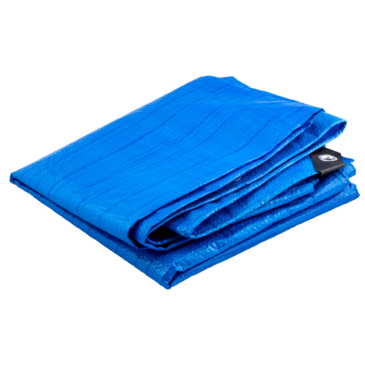
Selecting the right tarpaulin sheet requires consideration of several factors. The material type, thickness, weight, UV resistance, waterproofing, and reinforcement level should align with the intended application. For construction projects, heavy-duty PVC tarpaulins may be ideal, while lighter polyethylene sheets are often sufficient for temporary storage or event coverage.
Color selection can also have functional benefits. For example, darker shades may provide better UV protection, while lighter colors can reduce heat absorption for sensitive materials. Proper sizing ensures full coverage and effective protection, while reinforced edges and grommets improve stability during installation.
Maintenance and Longevity
To maximize the lifespan of tarpaulin sheets, proper maintenance is essential. Regular cleaning to remove dust and debris, careful folding and storage after use, and inspection for tears or damage help maintain durability. When used correctly, high-quality tarpaulins can last for several years, making them a sustainable and economical solution for repeated applications.
A Versatile Solution for Dubai’s Needs
In conclusion, tarpaulin sheets in Dubai are more than just protective covers—they are versatile tools that support safety, operational efficiency, and cost management across industries. Their adaptability for construction, logistics, agriculture, and events makes them indispensable in the city’s dynamic environment. By combining durability, flexibility, and affordability, tarpaulins offer businesses and residents practical solutions that meet the challenges of Dubai’s climate and urban landscape.
Whether it is safeguarding materials on a construction site, covering goods in transit, or creating temporary shelters, tarpaulin sheets remain a fundamental resource that blends protection with convenience.
FAQs
1. What are tarpaulin sheets used for?
Tarpaulin sheets provide protection for construction materials, goods in transit, crops, and outdoor setups, shielding them from sun, rain, dust, and debris.
2. What materials are tarpaulin sheets made from?
They are typically made from polyethylene, canvas, or PVC, with options for waterproofing, UV resistance, and flame retardancy depending on the application.
3. How durable are tarpaulin sheets in Dubai’s climate?
High-quality tarps are designed to withstand extreme heat, UV exposure, and sandstorms, ensuring long-term protection for materials and equipment.
4. Can tarpaulin sheets be reused?
Yes, with proper maintenance such as cleaning, folding, and storage, tarps can be reused multiple times, making them a cost-effective solution.
5. How do I choose the right tarpaulin sheet?
Consider the material, thickness, waterproofing, UV resistance, and size based on your specific needs—heavy-duty PVC for construction and lighter polyethylene for temporary covers.