
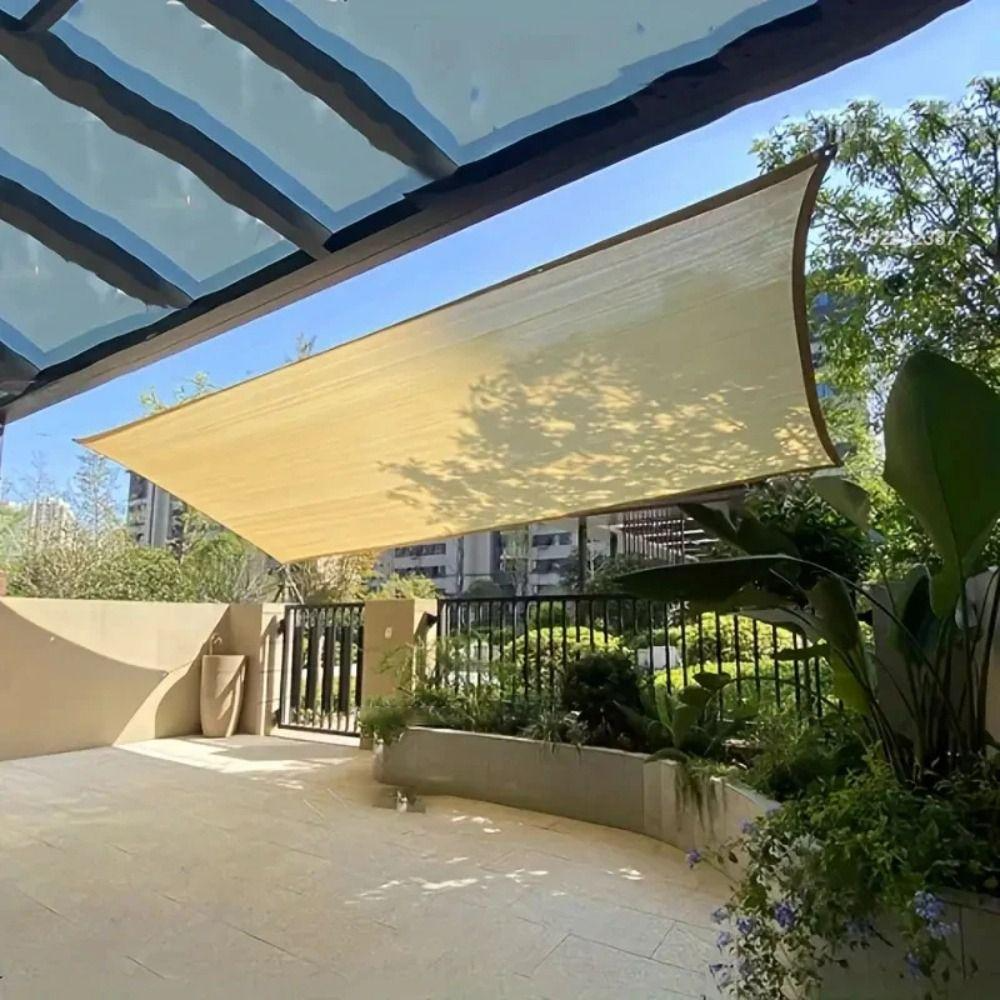
Dubai’s extreme climate, characterized by intense heat, high UV exposure, and long sunny days, has made shade solutions a necessity for both residential and commercial spaces. Among the most versatile and effective options available, shade nets have emerged as a practical and durable solution to create comfort, reduce heat, and protect people, plants, and assets from the harsh environment. Far beyond simple covers, shade nets provide multifunctional benefits across agriculture, construction, outdoor events, and residential applications.
Recent market insights indicate that over 60% of agricultural and landscaping projects in Dubai utilize shade nets for crop protection, while nearly 55% of residential and commercial outdoor areas employ shade nets to reduce heat and UV exposure. Additionally, projects that implement high-quality shade nets report up to 35% lower energy costs due to reduced heat absorption and significantly improved comfort levels in outdoor environments.
What Are Shade Nets?
Shade nets are woven or knitted materials designed to provide partial shading while allowing airflow. They are available in various densities, measured by shading percentage, which determines how much sunlight is blocked. Common materials include high-density polyethylene (HDPE) and UV-stabilized fabrics, which are durable, lightweight, and resistant to tearing, fading, and extreme weather conditions.
The versatility of shade nets lies in their adaptability. You can install them over gardens, parking areas, swimming pools, terraces, and construction sites to block direct sunlight, lower temperatures, and enhance comfort for people, animals, and plants.
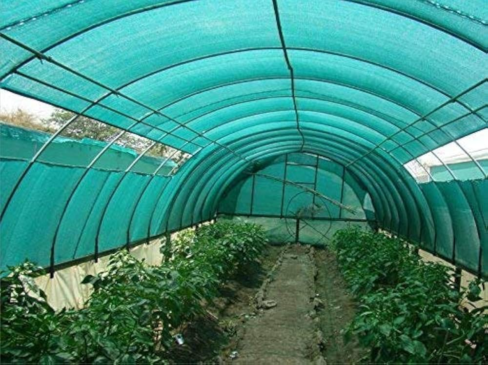
Applications in Agriculture and Horticulture
In Dubai’s agricultural sector, shade nets are widely used to protect crops from excessive sunlight, reduce water evaporation, and enhance plant growth. By regulating light intensity and temperature, shade nets help create microclimates that improve crop yield, quality, and resilience.
Farmers also use shade nets to protect plants from sandstorms, heavy wind, and occasional rain. Different shading percentages are chosen depending on the crop type, with delicate plants benefiting from higher-density nets while hardier plants may require moderate coverage.
Residential and Commercial Uses
Residential and commercial spaces increasingly rely on shade nets for outdoor comfort. Terraces, patios, gardens, and playgrounds benefit from shade nets that reduce direct sun exposure while allowing air circulation. This creates cooler and more enjoyable spaces for families, customers, or employees.
In commercial settings, such as cafes, restaurants, and recreational areas, shade nets improve customer comfort and enhance aesthetics. They can be customized in colors, sizes, and designs, allowing businesses to create visually appealing, shaded environments without constructing permanent structures.
Construction and Industrial Applications
Construction sites and industrial facilities in Dubai use shade nets to provide protection for workers and materials. Nets are installed over scaffolding, temporary structures, and storage areas to reduce heat exposure, prevent material damage, and enhance worker safety.
Shade nets also serve as dust barriers, reducing environmental impact and improving compliance with safety regulations. Their lightweight nature and easy installation make them ideal for temporary coverage in dynamic construction environments.
Durability and Environmental Resistance
High-quality shade nets endure Dubai’s harsh climate. UV-stabilized nets resist fading and degradation caused by prolonged sunlight exposure, while strong woven or knitted structures resist tearing under wind pressure. Many shade nets also have water-resistant properties, allowing them to endure occasional rain without losing functionality.
Reinforced edges and attachment points stabilize installation when you secure the nets to poles, frames, or existing structures. This combination of durability, flexibility, and resistance to environmental stress makes shade nets a reliable long-term solution.
Energy Efficiency and Comfort
One of the practical benefits of shade nets is their contribution to energy efficiency. By reducing heat absorption on terraces, outdoor seating areas, and parking lots, shade nets can lower the demand for air conditioning in adjacent indoor spaces. This not only reduces energy bills but also supports sustainability initiatives by minimizing carbon emissions.
For people, shade nets create cooler, more comfortable environments for outdoor activities. Their partial transparency ensures sufficient light passes through, preventing overly dark or enclosed spaces while still offering protection from glare and UV radiation.
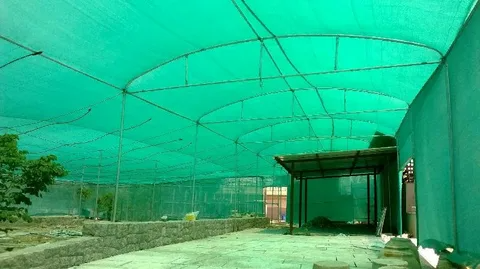
Choosing the Right Shade Net
Selecting the right shade net involves evaluating factors such as shading percentage, material strength, UV resistance, and intended use. For agriculture, crop type and local climate dictate the ideal density, while residential or commercial applications may prioritize aesthetics, airflow, and durability.
Color and design are also considerations. Darker colors typically block more sunlight, while lighter shades reduce heat absorption without significantly affecting light levels. Proper sizing and secure installation ensure optimal performance, maximizing both protection and lifespan.
Conclusion:
Shade nets in Dubai serve as a multifunctional solution that balances comfort, protection, and efficiency. Their applications range from agriculture and construction to residential and commercial outdoor spaces, making them indispensable in the city’s hot, sunny, and sometimes harsh environment.
By combining durability, flexibility, and energy-saving benefits, shade nets offer practical solutions that improve quality of life, enhance productivity, and support sustainable practices. Whether shielding crops, covering parking lots, or creating comfortable outdoor seating areas, shade nets remain a key tool for adapting to Dubai’s climate.
FAQs
1. What is a shade net?
A shade net is a durable, woven or knitted fabric that blocks sunlight, reduces heat, and allows airflow, protecting plants, people, and outdoor areas.
2. Where are shade nets commonly used?
They are used in agriculture, gardens, terraces, playgrounds, parking areas, construction sites, and outdoor commercial spaces to provide shade and protection.
3. How do I choose the right shade net?
Consider shading percentage, material strength, UV resistance, size, and intended use—higher shading for delicate crops, moderate for outdoor comfort.
4. Are shade nets durable in Dubai’s climate?
Yes, high-quality shade nets are UV-stabilized, water-resistant, and reinforced to withstand intense sun, heat, wind, and occasional rain.
5. How do I maintain a shade net?
Regularly clean dust and debris, inspect for tears, repair damaged sections, and ensure proper installation to maximize longevity and performance.