
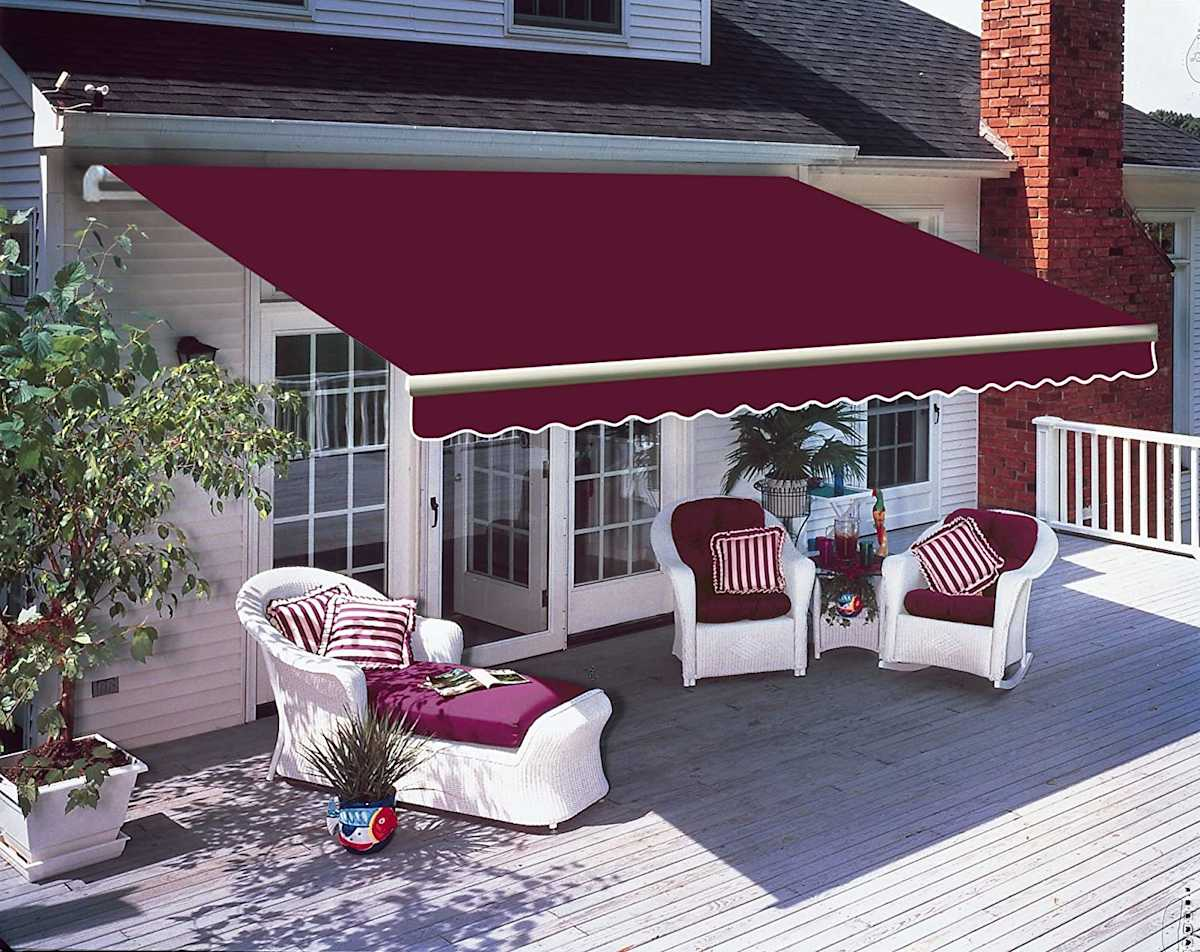
Outdoor shade structures are essential in hot regions. In cities like Dubai, strong sunlight, heat, and sandstorms can quickly damage outdoor materials. Because of this, awning suppliers must use advanced fabrics that can survive the harsh environment.
Modern awning manufacturers in the United Arab Emirates are now using weather-resistant fabrics designed to handle extreme heat, intense UV exposure, and occasional sandstorms. These materials help awnings last longer while providing better protection for homes, businesses, and outdoor spaces.
This guide explains how awning suppliers in Dubai are improving their products with durable fabrics and modern technology to withstand the UAE’s extreme climate.
Understanding the UAE’s Extreme Climate
Before looking at the fabrics used for awnings, it is important to understand the climate challenges suppliers face in the United Arab Emirates.
The region experiences:
- Very high summer temperatures
- Intense sunlight and UV exposure
- Sandstorms and dust
- Occasional humidity near coastal areas
During peak summer, temperatures in cities like Dubai can exceed 45°C (113°F). Without durable materials, outdoor structures such as awnings can fade, crack, or tear within a short time.
Because of this, awning suppliers now focus heavily on weather-resistant fabrics designed for extreme environments.
What Are Weather-Resistant Awning Fabrics?
Weather-resistant fabrics are specially designed materials that protect against environmental damage.
These fabrics are engineered to resist:
- UV radiation
- Heat damage
- Water penetration
- Mold and mildew
- Dust and sand abrasion
They are often treated with protective coatings or made from synthetic fibers that are stronger than traditional fabrics.
Why Weather-Resistant Fabrics Are Important for Awnings
Awning structures are constantly exposed to outdoor conditions. Using the right fabric helps ensure long-term performance.
Key benefits include:
Longer Lifespan
Durable fabrics last longer even under constant sunlight and heat.
Improved Shade and Cooling
High-quality fabrics block UV rays and reduce heat under the awning.
Lower Maintenance
Weather-resistant materials require less cleaning and repair.
Better Appearance
UV-resistant fabrics maintain their color and texture for years.
Because of these advantages, awning suppliers in Dubai invest heavily in high-performance materials.
Popular Weather-Resistant Fabrics Used in Dubai
Several types of fabrics are widely used by awning manufacturers in the United Arab Emirates. Each material offers different levels of durability and protection.
Acrylic Fabric
Acrylic is one of the most popular materials used for outdoor awnings. It is widely used by awning suppliers in Dubai because of its durability and color stability.
Benefits include:
- Excellent UV resistance
- Strong color retention
- Breathable material
- Resistance to mold and mildew
Solution-dyed acrylic fabrics are especially popular because the color is added during fiber production. This prevents fading even after years of sun exposure.
PVC-Coated Polyester
PVC-coated polyester is another common material used in commercial awnings. This fabric is created by coating polyester with a protective PVC layer.
Key advantages include:
- Waterproof surface
- High durability
- Strong resistance to tearing
- Easy cleaning
Because of its strength, this fabric is often used for large outdoor structures like restaurant terraces and parking shades.
HDPE Shade Fabric
High-density polyethylene (HDPE) shade fabric is widely used in outdoor shading systems across the United Arab Emirates.
This fabric has a woven structure that allows airflow while blocking sunlight.
Benefits include:
- High UV protection
- Breathable design
- Heat reduction
- Strong resistance to tearing
HDPE fabrics are commonly used for car parking shades, garden awnings, and playground shade structures.
PTFE and High-Performance Membrane Fabrics
Some high-end projects in Dubai use advanced architectural fabrics such as PTFE membranes.
These fabrics are often used in large commercial or architectural shade structures.
Advantages include:
- Extreme durability
- Self-cleaning surfaces
- Strong resistance to heat and UV rays
- Very long lifespan
Although these materials are more expensive, they can last for decades with minimal maintenance.
How Awning Suppliers Improve Fabric Durability
Modern awning suppliers in the United Arab Emirates use several technologies to improve fabric performance.
UV Protection Coatings
Many outdoor fabrics are treated with special coatings that block ultraviolet radiation. These coatings help:
- Prevent fading
- Reduce fabric damage
- Extend the lifespan of the awning
- UV protection is essential in sunny environments like Dubai.
Waterproof Treatments
Some fabrics are treated with waterproof coatings. This helps prevent water damage during occasional rainfall or humidity. Water-resistant fabrics also reduce mold growth.
Anti-Dust and Anti-Sand Finishes
Sand and dust are common challenges in desert climates. Special surface treatments help fabrics resist dust buildup and make cleaning easier. This feature is particularly useful in outdoor environments across the United Arab Emirates.
Heat-Reflective Technology
Some modern fabrics include reflective coatings that reduce heat absorption. These fabrics reflect sunlight instead of absorbing it. This technology helps keep outdoor spaces cooler under the awning.
Where Weather-Resistant Awnings Are Used in Dubai
Weather-resistant awnings are widely used in many environments across Dubai.
Common applications include:
Residential Homes
Homeowners install awnings to shade patios, balconies, and garden areas. These structures create comfortable outdoor living spaces.
Restaurants and Cafes
Outdoor dining areas often require durable awnings that can handle heat and sunlight. Weather-resistant fabrics help keep customers comfortable.
Retail Stores
Many shops use awnings to protect entrances and display areas from direct sunlight. This also improves the visual appeal of storefronts.
Hotels and Resorts
Luxury hotels often use custom awnings to create shaded pool areas and outdoor lounges. High-quality fabrics maintain a premium appearance.
Sustainability in Modern Awning Fabrics
Many awning suppliers in the United Arab Emirates are also focusing on sustainability.
Eco-friendly fabric innovations include:
- Recyclable materials
- Energy-efficient manufacturing
- Longer product lifespans
Durable fabrics reduce waste because they do not need frequent replacement.
Choosing the Right Awning Fabric
When selecting an awning in Dubai, several factors should be considered.
UV Protection
Choose fabrics that block high levels of ultraviolet radiation.
Durability
Strong materials such as acrylic or PVC-coated polyester provide better long-term performance.
Breathability
Breathable fabrics help prevent heat buildup under the awning.
Maintenance Requirements
Some fabrics are easier to clean and maintain than others. Low-maintenance materials can save time and effort.
Future Trends in Awning Fabric Technology
Awning suppliers in Dubai continue to adopt new innovations.
Future trends may include:
- Smart fabrics with heat-reflective technology
- Self-cleaning surfaces
- Advanced UV-blocking materials
- More eco-friendly fabric production
These innovations will help awnings perform better in extreme climates.
Final Thoughts
Outdoor structures in desert climates must handle some of the toughest environmental conditions. In cities like Dubai, awning suppliers rely on weather-resistant fabrics to ensure durability and long-term performance.
Materials such as acrylic, PVC-coated polyester, HDPE, and advanced membrane fabrics are designed to resist heat, UV radiation, dust, and moisture. These fabrics help awnings last longer while providing comfortable shaded spaces.
As technology continues to improve, awning fabrics will become even more durable and efficient. With the right materials and design, modern awnings can withstand the extreme climate of the United Arab Emirates while enhancing outdoor comfort and style.
FAQs
What fabric is best for awnings in hot climates?
Acrylic, HDPE shade fabric, and PVC-coated polyester are among the best options because they resist UV rays and high temperatures.
Do awning fabrics fade in the sun?
High-quality awning fabrics are designed to resist fading. Solution-dyed acrylic fabrics are especially known for long-lasting color.
Are awnings waterproof?
Some awning fabrics are waterproof, while others are water-resistant. PVC-coated fabrics typically provide stronger waterproof protection.
How long do awning fabrics last?
High-quality awning fabrics can last between 8 and 15 years, depending on material quality and maintenance.
Do awnings help reduce heat?
Yes. Awnings block direct sunlight and reduce heat entering buildings or outdoor spaces.
Are awnings suitable for sandstorm areas?
Yes. Many modern awning fabrics are designed to resist dust and sand damage, making them suitable for desert environments like the United Arab Emirates.