
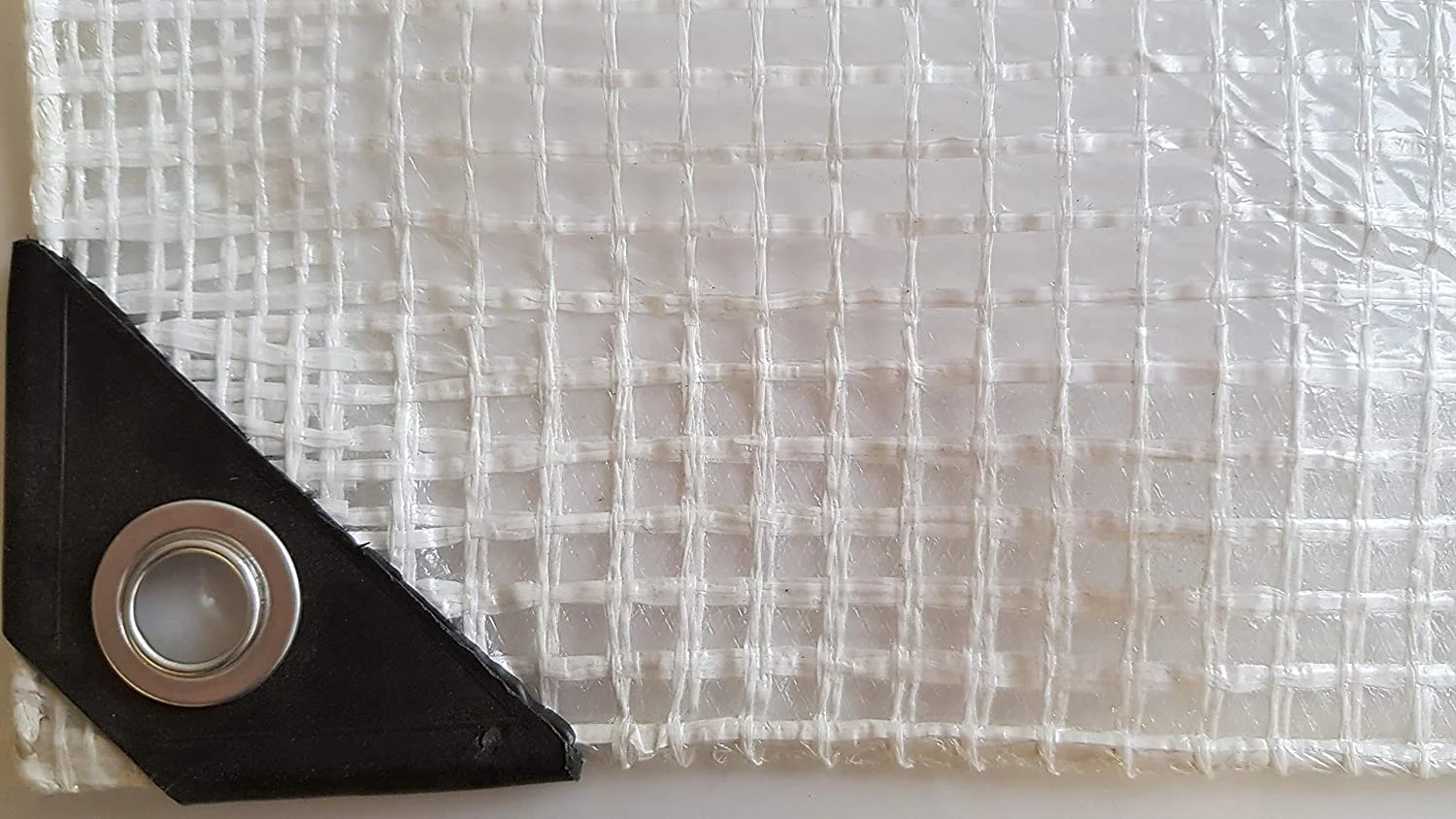
Choosing the right tarpaulin is essential for construction sites, agricultural operations, transportation, landscaping, and industrial projects across the UAE. With the country’s intense sunlight, high temperatures, strong winds, and occasional sandstorms, selecting the appropriate covering can improve safety, protect materials, and extend the lifespan of equipment.
Two of the most commonly used options are mesh tarpaulins and solid tarpaulins. While they may appear similar at first glance, they serve different purposes and perform differently under various environmental conditions. Understanding their features, benefits, and ideal applications can help you make the right choice for your project.
What Is a Mesh Tarpaulin?
A mesh tarpaulin is made from woven polyethylene or PVC-coated mesh fabric that contains thousands of tiny openings. These openings allow air, light, and some moisture to pass through while still providing partial shade and protection.
Because mesh tarpaulins reduce wind resistance, they are commonly used in outdoor environments where airflow is important.
They are available in different densities and shade percentages depending on the intended application.
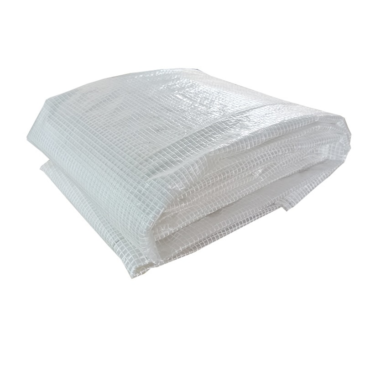
What Is a Solid Tarpaulin?
A solid tarpaulin is manufactured from waterproof materials such as polyethylene, PVC, or heavy-duty canvas. Unlike mesh tarps, solid tarpaulins completely block water, dust, and sunlight.
They create a protective barrier that shields equipment, building materials, vehicles, and outdoor areas from harsh weather conditions.
Solid tarpaulins are available in various thicknesses and strengths to suit different industries.
Key Differences Between Mesh and Solid Tarpaulins
Although both products provide protection, their performance varies significantly.
Airflow
Mesh tarpaulins allow continuous airflow, making them suitable for hot environments.
Solid tarpaulins block airflow completely, creating full enclosure and weather protection.
Water Resistance
Mesh tarpaulins allow rainwater to pass through.
Solid tarpaulins are fully waterproof, protecting equipment and materials from moisture.
Wind Performance
Mesh tarpaulins perform better in windy conditions because air passes through the fabric, reducing pressure.
Solid tarpaulins may require stronger anchoring since wind can place significant stress on the material.
Sun Protection
Both products provide UV protection, but solid tarpaulins block sunlight more effectively than mesh varieties.
Advantages of Mesh Tarpaulins
Mesh tarpaulins offer several important benefits.
Excellent Ventilation
Continuous airflow helps reduce heat buildup underneath the cover, making mesh ideal for outdoor work areas.
Lower Wind Resistance
The open weave allows wind to pass through, reducing the risk of tearing during strong gusts.
Lightweight Design
Mesh tarps are generally lighter and easier to install than heavy solid covers.
Shade Without Complete Darkness
They provide partial shading while allowing natural light to reach plants, workers, or stored materials.
Common Uses for Mesh Tarpaulins
Mesh tarpaulins are frequently used for:
- Construction site fencing
- Scaffolding covers
- Shade structures
- Plant nurseries
- Landscaping projects
- Sports facilities
- Agricultural applications
- Privacy screens
- Truck covers for loose materials
Their breathability makes them ideal where ventilation is essential.
Advantages of Solid Tarpaulins
Solid tarpaulins are designed for maximum protection.
Waterproof Protection
They prevent rain, moisture, and spills from reaching valuable equipment or materials.
Complete Dust Barrier
Solid covers help protect stored products from dust, sand, and debris.
UV Protection
They block direct sunlight, reducing heat exposure and preventing damage to sensitive materials.
Greater Privacy
Unlike mesh, solid tarps completely conceal items beneath the cover.
Common Uses for Solid Tarpaulins
Solid tarpaulins are commonly selected for:
- Equipment storage
- Vehicle covers
- Warehouse protection
- Outdoor furniture covers
- Construction materials
- Temporary roofing
- Emergency weather protection
- Industrial storage
These applications require complete environmental protection.
Which Is Better for UAE Construction Projects?
Construction sites often use both types of tarpaulins depending on project requirements.
Mesh tarpaulins are ideal for:
- Scaffolding
- Dust control
- Worker safety barriers
- Temporary fencing
- Wind reduction
Solid tarpaulins are preferred for:
- Cement storage
- Equipment protection
- Temporary shelters
- Waterproof material storage
- Site enclosures
Many large projects combine both products to achieve maximum efficiency.
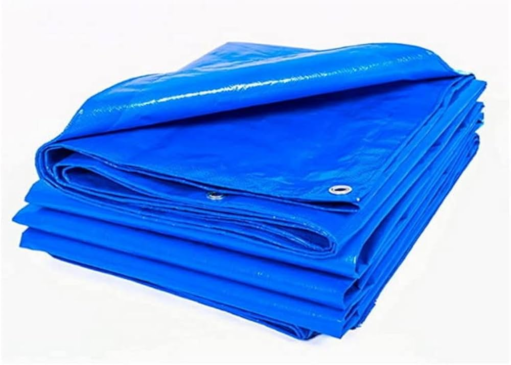
Agricultural and Landscaping Applications
In agriculture and landscaping, airflow is critical.
Mesh tarpaulins are commonly used to:
- Protect seedlings
- Reduce sunlight
- Improve ventilation
- Create shade houses
- Protect crops from excessive heat
Solid tarpaulins are better suited for protecting irrigation equipment, fertilizers, and stored supplies from rain and dust.
Factors to Consider Before Choosing
Before selecting a tarpaulin, evaluate:
- Weather exposure
- Wind conditions
- Rain protection requirements
- UV exposure
- Ventilation needs
- Project duration
- Material durability
- Budget
Choosing the correct product reduces maintenance costs and improves project efficiency.
Maintenance Tips Mesh Tarpaulin vs Solid Tarpaulin
Proper maintenance extends the lifespan of both Mesh Tarpaulin vs Solid Tarpaulin.
Recommendations include:
- Clean regularly.
- Remove accumulated debris.
- Inspect for tears.
- Store dry when not in use.
- Avoid dragging over rough surfaces.
- Secure properly during installation.
Routine maintenance prevents premature wear and maintains performance.
Which Option Is Best?
There is no single answer because each project has different requirements.
Choose mesh tarpaulins if you need:
- Ventilation
- Wind resistance
- Shade
- Lightweight installation
- Air circulation
Choose solid tarpaulins if you need:
- Waterproof protection
- Dust resistance
- Full UV blocking
- Privacy
- Complete weather protection
Understanding your project’s environment and protection needs will help you make the most effective choice.
Conclusion Mesh Tarpaulin vs Solid Tarpaulin
Both Mesh Tarpaulin vs Solid Tarpaulin play important roles across construction, agriculture, landscaping, transportation, and industrial sectors in the UAE. Mesh tarpaulins excel where airflow, reduced wind resistance, and shade are required, while solid tarpaulins provide superior waterproofing, dust protection, and complete coverage.
Before making a purchase, carefully evaluate your project’s specific requirements, environmental conditions, and long-term objectives. Choosing the right tarpaulin ensures better protection, improved efficiency, lower maintenance costs, and greater durability, making it a worthwhile investment for projects of every size across the UAE.
FAQs Mesh Tarpaulin vs Solid Tarpaulin
1. What is the main difference between mesh and solid tarpaulins?
Mesh tarpaulins allow air and light to pass through while reducing wind resistance, whereas solid tarpaulins are waterproof and provide complete protection against rain, dust, and sunlight.
2. Which tarpaulin is better for construction sites in the UAE?
It depends on the application. Mesh tarpaulins are ideal for scaffolding, fencing, and shade, while solid tarpaulins are better for protecting equipment, building materials, and temporary shelters.
3. Are mesh tarpaulins waterproof?
No. Mesh tarpaulins are designed to allow water and airflow through the fabric, making them unsuitable where complete waterproof protection is required.
4. How long do tarpaulins last in the UAE climate?
High-quality UV-stabilized mesh and solid tarpaulins can last several years with proper installation, regular maintenance, and appropriate storage.
5. How do I choose the right tarpaulin for my project?
Consider your project’s need for airflow, waterproofing, UV protection, wind resistance, durability, and the environmental conditions before selecting the most suitable tarpaulin.