

Construction sites are exposed to changing weather conditions, dust, debris, moisture, and other environmental challenges. Whether you are covering construction materials, protecting unfinished structures, or creating temporary partitions, choosing the right tarpaulin can make a significant difference. Two of the most commonly used options are PVC vs PE tarpaulin.
Although both materials are designed to provide protection, they differ in terms of durability, weight, flexibility, cost, and resistance to weather conditions. Understanding these differences can help contractors, builders, and site managers select the most suitable tarpaulin for their specific requirements.
What Is PVC Tarpaulin?
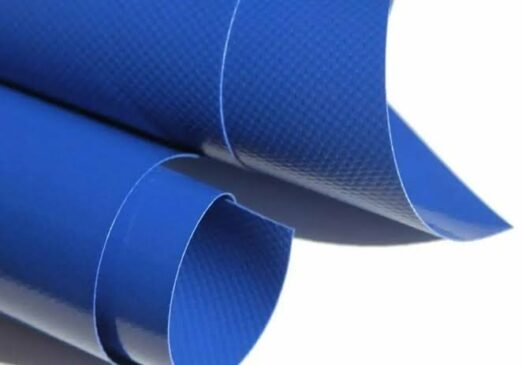
PVC tarpaulin, or polyvinyl chloride tarpaulin, is generally made by coating polyester fabric with PVC. This construction gives the material a strong and durable structure. PVC tarpaulins are widely used in demanding environments where resistance to water, tearing, abrasion, and harsh weather is important.
One of the main advantages of PVC tarpaulin is its durability. It can withstand repeated handling and exposure to outdoor conditions better than many lightweight covering materials. This makes it suitable for long-term construction projects where the same cover may need to remain in place for extended periods.
PVC tarpaulins are also highly waterproof. They can be used to cover cement, machinery, tools, steel, timber, and other materials that need protection from rain and moisture. Depending on their construction and specification, some PVC tarpaulins can also provide good resistance to UV exposure and chemicals.
What Is PE Tarpaulin?
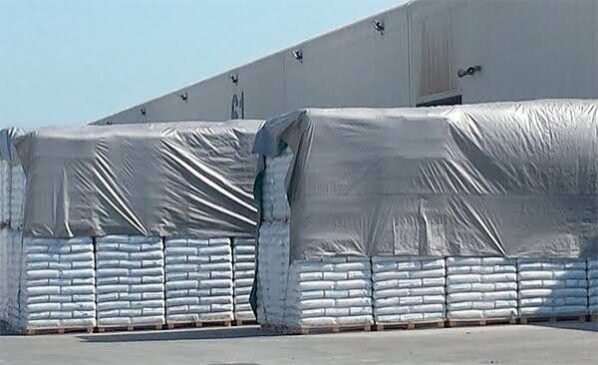
PE tarpaulin is made from polyethylene, usually with woven polyethylene fabric laminated with protective layers. It is a popular choice for construction sites because it is lightweight, affordable, flexible, and easy to handle.
PE tarpaulins are commonly used for temporary applications such as covering construction materials, creating temporary shelters, protecting equipment, and separating work areas. Their relatively low weight makes installation and removal easier, particularly when workers need to move or reposition covers frequently.
Another major benefit of PE tarpaulin is its cost-effectiveness. For projects that require a large number of temporary covers, PE tarpaulin can be an economical option. However, its service life can be shorter than that of heavy-duty PVC tarpaulin, particularly when it is exposed to severe weather or frequent physical stress.
PVC vs. PE Tarpaulin: Key Differences
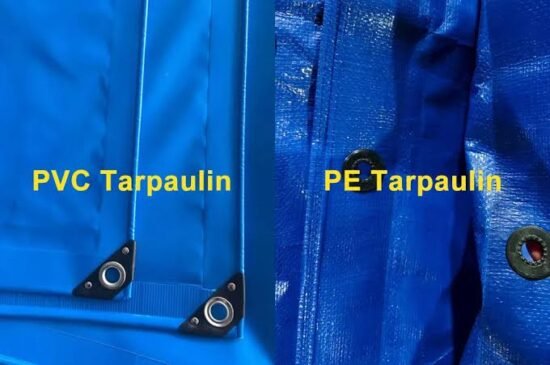
Choosing between PVC and PE tarpaulin depends largely on the conditions of the construction site and the expected duration of use.
1. Durability
PVC tarpaulin generally offers superior durability. Its coated fabric construction provides strong resistance to tearing, abrasion, and repeated handling. It is particularly useful for demanding applications where the tarpaulin will be exposed to heavy use.
PE tarpaulin is also durable, but lightweight varieties may be more vulnerable to punctures, tearing, and wear when subjected to rough handling. For short-term or less demanding applications, however, PE can provide sufficient protection.
2. Waterproofing
Both PVC and PE tarpaulins can provide effective waterproof protection. PVC is often preferred when reliable, long-term waterproofing is required because its coating can create a strong barrier against rain and moisture.
PE tarpaulins are also commonly used for waterproof covers, making them suitable for protecting construction materials during normal weather conditions. Proper installation is important with either material because water can collect or enter through seams, openings, or damaged areas.
3. Weather and UV Resistance
Construction sites can experience prolonged exposure to sunlight, rain, wind, and temperature changes. PVC tarpaulin is generally better suited to demanding outdoor conditions, especially when a heavy-duty product with appropriate UV resistance is selected.
PE tarpaulin can also be treated for UV resistance, but the level of protection varies depending on product quality. Lower-quality PE covers may degrade more quickly when continuously exposed to sunlight.
4. Weight and Handling
PE tarpaulin has an advantage when portability is important. Its lightweight construction makes it easier for workers to transport, unfold, install, and remove.
PVC tarpaulin is usually heavier, particularly in heavy-duty specifications. While this can make handling more difficult, the additional weight can also contribute to strength and stability in demanding applications.
5. Cost
PE tarpaulin is generally the more budget-friendly option. This makes it attractive for temporary construction projects, short-term weather protection, and applications where large quantities of covering material are required.
PVC tarpaulin typically costs more because of its stronger construction and greater durability. However, its longer service life can make it a cost-effective choice for projects where replacement would otherwise be frequent.
Which Tarpaulin Is Better for Construction Sites?
There is no single answer because the best choice depends on the application.
PVC tarpaulin is a better option when:
- Heavy-duty protection is required.
- The cover will be used for a long period.
- The site experiences harsh weather conditions.
- The material will be frequently handled or exposed to abrasion.
- Strong waterproofing and durability are priorities.
PE tarpaulin is a better option when:
- A lightweight cover is needed.
- The application is temporary.
- The budget is limited.
- Covers need to be installed and removed frequently.
- Large areas need economical protection.
For example, a contractor working on a long-term building project may choose heavy-duty PVC tarpaulin to protect expensive machinery or materials throughout the construction period. On the other hand, PE tarpaulin may be ideal for temporarily covering sand, bricks, timber, or other materials during a short period of bad weather.
Factors to Consider Before Buying
Before purchasing tarpaulin for a construction site, consider more than just the material. Check the fabric thickness, weight, size, waterproofing performance, UV resistance, tear strength, eyelet quality, and intended service life.
The quality of reinforced edges and grommets is particularly important. Even a strong tarpaulin can fail if the attachment points are weak. For windy construction sites, reinforced edges and properly installed eyelets can help keep the cover securely in place.
It is also important to select the correct size. A cover that is too small may leave materials exposed, while an excessively large sheet can be difficult to secure and may catch more wind.
Conclusion
Both PVC and PE tarpaulins have an important role to play on construction sites. PVC tarpaulin is generally the better choice for heavy-duty, long-term, and demanding applications, thanks to its strength, durability, and weather resistance. PE tarpaulin is a practical and economical choice for lightweight, temporary, and general-purpose protection.
The right choice ultimately depends on the project’s budget, expected duration, weather conditions, and level of physical stress. By considering these factors before purchasing, contractors can choose a tarpaulin that provides reliable protection while delivering good value over its service life.
FAQs
1. Is PVC tarpaulin better than PE tarpaulin for construction?
PVC tarpaulin is generally better for heavy-duty and long-term construction applications because it offers excellent durability, strength, and weather resistance. PE tarpaulin is often preferable for temporary applications where affordability and lightweight handling are more important.
2. Which tarpaulin is more waterproof, PVC or PE?
Both PVC and PE tarpaulins can provide good waterproof protection. PVC is often preferred for demanding, long-term waterproofing applications, while quality PE tarpaulin can also effectively protect materials from rain and moisture.
3. Is PE tarpaulin suitable for outdoor construction use?
Yes. PE tarpaulin is widely used outdoors for covering building materials, equipment, work areas, and temporary shelters. For extended outdoor exposure, it is advisable to choose a product with suitable UV resistance and adequate thickness.
4. Why is PVC tarpaulin more expensive than PE tarpaulin?
PVC tarpaulin typically uses a heavier and stronger coated fabric construction. This provides greater durability and resistance to demanding conditions, which can increase manufacturing costs. Its longer service life may help offset the higher initial price.
5. How do I choose the right tarpaulin for my construction project?
Consider the intended duration, weather conditions, required strength, size, frequency of handling, and budget. Choose heavy-duty PVC for demanding and long-term applications, while PE is often a good choice for lightweight and temporary protection.