

Shade nets are widely used across Dubai construction sites and residential properties to provide protection from intense sunlight, reduce heat exposure, control dust, and create temporary shaded areas. However, using shade netting on a construction site or around a villa is not simply a matter of selecting a suitable fabric. The installation must also consider Dubai Municipality requirements, construction permits, site safety, property boundaries, and, where applicable, right-of-way regulations.
Dubai Municipality’s construction regulations emphasize safe and properly controlled construction activities. The Dubai Building Code also establishes minimum requirements related to health, safety, welfare, environmental impact, and building design.
What Is Shade Net?
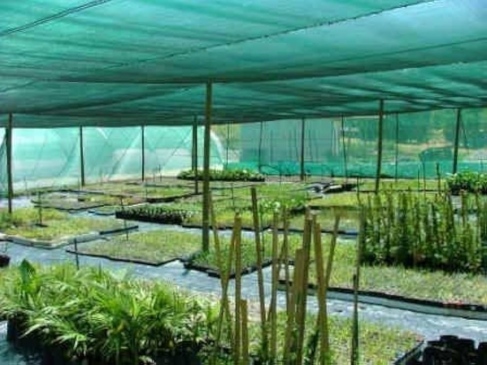
Shade net is a knitted or woven mesh fabric designed to reduce direct sunlight and provide partial shading while allowing air to pass through. It is commonly manufactured from polyethylene or similar weather-resistant materials.
On construction sites, shade netting may be used around temporary work areas, scaffolding, storage zones, worker facilities, and other locations where protection from sun and dust is required. For villas, shade materials may be used for temporary outdoor shading, parking areas, gardens, terraces, or other approved residential applications.
The exact requirements depend on how and where the shade net is installed.
Dubai Municipality Requirements for Construction Sites
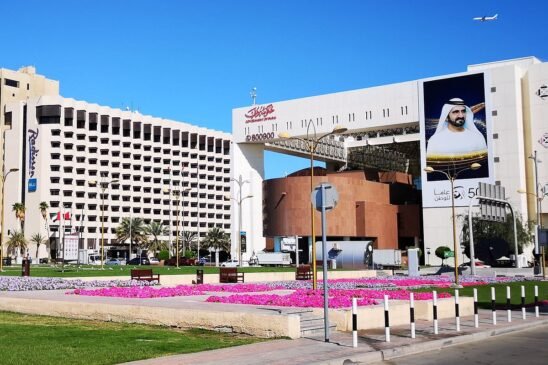
Construction-site protection is an important part of Dubai’s regulatory framework. Dubai Municipality’s Circular No. 12-4-1 of 2021 addresses the organization, protection, and cleanliness of construction sites. For construction projects under new building permits, the circular requires temporary site fences to be made from metal or plastic materials such as PVC, with a minimum height of 2 metres and gaps between panels not exceeding 5 cm.
This distinction is important: shade net should not automatically be treated as a substitute for the required construction-site fence. Where a project requires an approved temporary boundary, the contractor should follow the specified fencing requirements and any conditions attached to the project permit.
Shade net may be used as an additional protective measure where permitted by the project design, site requirements, or relevant authority.
Shade Net for Dust and Sun Protection
Dubai’s hot and sunny climate makes shade protection particularly valuable for construction workers and site operations. Properly installed mesh can reduce direct solar exposure and may also help control the movement of dust and lightweight debris.
However, shade netting should be securely fixed to an appropriate supporting structure. Loose or poorly installed netting can become a safety problem, particularly during periods of strong wind.
The supporting frame, attachment points, anchors, and fixings should therefore be suitable for the installation and site conditions. Contractors should also inspect the net regularly for tears, loose sections, damaged fasteners, or other defects.
Shade Net and Construction-Site Safety
Safety should be a primary consideration when installing shade netting.
The installation should not:
- Block required access routes or emergency exits.
- Obstruct construction vehicles or equipment.
- Create unsafe conditions for workers or pedestrians.
- Interfere with fire-safety equipment.
- Encroach beyond approved site boundaries.
- Create loose material that could become airborne.
- Obstruct visibility at entrances, exits, or road interfaces.
Dubai’s construction regulations define temporary construction works broadly, including items such as scaffolding, shoring, temporary offices, and fences. Construction works that temporarily or permanently change the features of land or property generally require the relevant permit from the competent authority.
For this reason, contractors should confirm the approval requirements before installing a substantial or permanent-looking shade structure.
Shade Net Around Villas
Shade net applications around villas require additional care because residential properties have different planning and aesthetic considerations from construction sites.
A homeowner should not assume that a shade net, car shade, pergola, or other outdoor structure can be installed anywhere within or outside the property boundary without approval. The applicable requirements can depend on the location, structure, plot conditions, community rules, and whether the installation affects a public area.
The Dubai Building Code includes specific provisions for villas and recognizes the use of external shading as part of building design. However, this does not mean that every type of shade-net structure is automatically approved.
Community or master-developer requirements may also apply to villas. For example, individual community guidelines can establish requirements for the size, height, setback, and design of shade structures. Therefore, villa owners should check both the applicable authority requirements and any community-specific regulations before proceeding.
Do Shade Structures Need Approval?
This depends on the type and location of the installation.
If a shade structure extends into or occupies a public right-of-way, additional approval may be required. Dubai regulations state that fixed or removable temporary or permanent structures occupying the right-of-way cannot be installed without the required No Objection Certificate. The regulations specifically include tents and awnings among the structures covered by this requirement.
More recent Dubai regulations also identify installation of fences around project construction sites and certain temporary access and right-of-way activities as works requiring permits.
Therefore, keeping a shade installation entirely within the approved property or construction-site boundary is an important consideration.
Choosing the Right Shade Net
When selecting shade net for a Dubai construction project or villa, consider several factors.
Shade Percentage
Shade nets are available in different shading percentages. A higher shade percentage blocks more sunlight, while a lower percentage allows more light and airflow.
The appropriate percentage depends on the intended use. Worker rest areas may require stronger solar protection, while some garden applications may benefit from greater light transmission.
Material Quality
For outdoor use in Dubai, the material should be suitable for prolonged exposure to sunlight, heat, and outdoor conditions. UV-stabilized material can help extend service life.
Strength and Reinforcement
The net should be strong enough for the intended installation. Reinforced edges and suitable attachment points can reduce the risk of tearing.
Wind Resistance
Wind is an important consideration for any large outdoor fabric installation. A shade net can act as a significant wind surface if it is installed incorrectly.
Proper tensioning, anchoring, and structural support are therefore essential.
Installation and Maintenance
A professionally installed shade net should be inspected regularly. Construction sites are dynamic environments, so changes in scaffolding, equipment, access routes, and work areas may affect the safety of an existing installation.
Damaged or loose netting should be repaired or replaced promptly. Fasteners should also be checked periodically to ensure that the material remains securely attached.
At the end of the construction project, temporary structures and construction materials should be removed as required. Dubai’s construction regulations place obligations on contractors concerning the removal of temporary structures, debris, and construction waste after construction works are completed.
Best Practices for Dubai Construction Projects
For contractors planning to use shade netting, the following approach can help maintain compliance and safety:
- Check the approved construction drawings and permit conditions.
- Confirm whether the proposed installation requires additional approval.
- Keep temporary structures within the approved site boundaries.
- Do not use shade net as a replacement for an authority-required construction fence.
- Use UV-resistant, outdoor-grade material.
- Provide secure fixing and adequate structural support.
- Maintain clear pedestrian, vehicle, and emergency access.
- Inspect the installation regularly, especially after strong winds.
- Repair damaged or loose sections immediately.
- Remove temporary installations when they are no longer required.
Conclusion
Shade netting can be a practical solution for reducing sunlight, improving working conditions, and providing temporary protection on Dubai construction sites and villa properties. However, the fabric itself is only one part of a compliant installation.
Contractors and property owners should distinguish between shade netting, temporary construction fencing, and permanent or semi-permanent shade structures. Dubai Municipality requirements, construction permits, right-of-way regulations, and community-specific rules may all affect what can be installed and where.
For construction projects, the safest approach is to follow the approved site plans and applicable Dubai Municipality requirements while ensuring that the shade net is securely installed and does not interfere with safety or access. For villas, owners should verify the applicable planning and community requirements before installing larger shade structures.
Because requirements can vary according to the project and location, the latest authority guidance and permit conditions should always be checked before installation.
FAQs
1. Is shade net allowed on construction sites in Dubai?
Shade net can be used for appropriate protective purposes, but it should not automatically be considered a replacement for the required temporary construction-site fencing. Dubai Municipality has specific requirements for temporary construction fences, including a minimum height of 2 metres for the requirements covered by Circular No. 12-4-1 of 2021.
2. Can shade net be used instead of a construction fence?
Generally, contractors should not assume that shade net can replace an approved construction-site fence. Dubai Municipality’s published circular specifies metal or plastic/PVC fencing for applicable construction projects. Shade net may be used as an additional protective measure where permitted.
3. Do I need approval to install a shade structure outside a villa?
Approval may be required depending on the location and type of structure. If the installation occupies or affects the public right-of-way, a relevant No Objection Certificate or permit may be required. Villa owners should also check community or master-developer requirements.
4. What type of shade net is best for Dubai’s climate?
For outdoor use, a UV-stabilized, durable shade net designed for high temperatures and prolonged sunlight is generally preferable. The appropriate shade percentage depends on whether the primary objective is worker comfort, sun protection, dust control, parking shade, or landscaping.
5. What should contractors check before installing shade net?
Contractors should check the approved project drawings, construction permit conditions, site boundaries, safety requirements, and any applicable Dubai Municipality or other authority approvals. They should also ensure that the shade net is securely supported and does not obstruct pedestrian access, vehicles, emergency routes, or public infrastructure.