

Dubai’s extreme summer temperatures can place enormous pressure on residential cooling systems. With outdoor temperatures regularly exceeding 40°C during peak months, air conditioners in villas, apartments, and commercial properties often run continuously throughout the day. As a result, electricity bills can rise dramatically, especially during the long summer season.
To reduce heat gain and improve energy efficiency, many homeowners in Dubai are now exploring practical outdoor shading solutions — including shade nets. Commonly used in agriculture, parking areas, villas, rooftops, gardens, and outdoor seating spaces, shade nets have become increasingly popular as a low-cost way to block sunlight and reduce surrounding temperatures.
But can shade nets actually lower cooling bills in Dubai homes? The answer is yes — under the right conditions, they can significantly reduce heat buildup around buildings and decrease air-conditioning workload.
Studies on solar shading and building heat management consistently show that reducing direct sunlight exposure can noticeably lower indoor temperatures and energy consumption. In hot climates like the UAE, shading solutions are often considered one of the simplest passive cooling strategies available.
This guide explains how shade nets work, how much cooling impact they can realistically provide, where they are most effective, and whether they are worth the investment for Dubai homeowners.
Table of Contents
- Why Dubai Homes Get So Hot
- What Are Shade Nets?
- How Shade Nets Reduce Heat
- The Science Behind Cooling Savings
- Estimated Cooling Bill Reductions
- Best Areas to Install Shade Nets
- Types of Shade Nets Available in UAE
- Factors That Affect Energy Savings
- Advantages Beyond Lower Electricity Bills
- Are Shade Nets Worth It in Dubai?
- Conclusion
- FAQs
Why Dubai Homes Get So Hot
Dubai’s climate creates intense heat exposure for buildings throughout most of the year.
Several factors contribute to rising indoor temperatures:
- Direct sunlight on walls and windows
- Heat absorption by roofs and concrete surfaces
- Limited natural shade in many residential areas
- High outdoor temperatures lasting into the evening
- Continuous solar radiation during daytime hours
Even with insulated walls and modern construction, homes still absorb significant heat from the surrounding environment.
Air-conditioning systems then work harder to remove this accumulated heat, increasing electricity consumption and monthly utility bills.
In many villas and low-rise homes, outdoor surfaces such as parking spaces, terraces, balconies, rooftops, and garden areas become major heat sources that affect nearby indoor temperatures.
What Are Shade Nets?
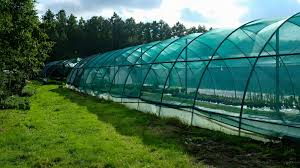
Shade nets are specially designed mesh fabrics used to reduce sunlight exposure while still allowing airflow and ventilation.
They are commonly made from UV-resistant polyethylene materials and are available in different:
- Shade percentages
- Colors
- Thickness levels
- Heat-blocking capacities
In Dubai, shade nets are widely used for:
- Car parking areas
- Villa courtyards
- Rooftop shading
- Garden structures
- Outdoor seating areas
- Balconies and pergolas
Unlike solid roofing materials, shade nets reduce solar radiation without completely blocking air circulation.
This combination of shade and ventilation makes them highly effective in hot climates.
How Shade Nets Reduce Heat
Shade nets work by limiting the amount of direct solar radiation reaching surfaces underneath them.
When exposed directly to sunlight, surfaces such as:
- Concrete
- Glass
- Metal
- Outdoor tiles
- Exterior walls
absorb heat and radiate it back into surrounding areas.
This creates hotter outdoor zones around the building, which can eventually affect indoor temperatures as well.
By blocking part of the sun’s rays, shade nets help:
- Reduce surface temperatures
- Lower surrounding ambient heat
- Minimize heat transfer into the building
- Reduce air-conditioning workload
The cooling effect becomes especially noticeable in areas exposed to intense afternoon sunlight.
The Science Behind Cooling Savings
Solar radiation is one of the largest contributors to heat gain in UAE buildings.
When sunlight strikes roofs, walls, and windows, thermal energy transfers into indoor spaces. Air-conditioning systems must then remove this heat continuously.
Shade nets reduce this thermal load by:
- Intercepting sunlight before it reaches surfaces
- Lowering heat absorption
- Improving airflow around shaded areas
Depending on the material and shading density, high-quality shade nets may block:
- 50% to 90% of sunlight exposure
This can significantly reduce heat buildup around the property.
Some studies on passive cooling systems in hot climates suggest that effective external shading may reduce cooling energy demand by noticeable percentages, especially when combined with proper insulation and ventilation.
Estimated Cooling Bill Reductions
The exact amount of energy savings depends on several factors, including property size, insulation quality, AC usage habits, and shade net placement.
However, many Dubai homeowners report noticeable reductions in cooling demand after installing shade structures over:
- Windows
- Outdoor walls
- Parking spaces
- Rooftops
- Glass-facing areas
In practical terms, properly installed shade nets may contribute to:
- Lower indoor heat accumulation
- Reduced AC operating time
- Improved cooling efficiency
In some cases, homeowners may see cooling-related electricity reductions ranging from modest savings to more substantial seasonal improvements during peak summer months.
The largest impact is usually achieved when shade nets prevent direct sunlight from hitting windows and exposed walls during the hottest parts of the day.
Best Areas to Install Shade Nets
Shade nets are most effective when strategically installed in high-heat exposure zones.
Parking Areas
Cars parked under direct sunlight radiate significant heat toward nearby walls and entrances.
Shaded parking areas help reduce surrounding temperatures considerably.
Rooftops and Terraces
Roofs absorb enormous amounts of solar heat in Dubai summers.
Adding shade structures above rooftop surfaces can reduce thermal absorption.
Balconies and Outdoor Seating Areas
Balconies exposed to afternoon sunlight often transfer heat into adjacent rooms.
Shade nets improve outdoor comfort while reducing nearby indoor temperatures.
Garden and Courtyard Spaces
Shaded outdoor areas remain cooler and more usable during summer months.
This also reduces reflected heat around the property.
Types of Shade Nets Available in UAE
Different shade percentages provide varying levels of heat reduction.
50% Shade Nets
Allow more natural light while providing moderate cooling.
Suitable for:
- Gardens
- Decorative outdoor spaces
70% Shade Nets
A popular balance between sunlight filtering and heat protection.
Commonly used for:
- Residential patios
- Parking areas
- Villa exteriors
90% Shade Nets
Provide maximum shading and stronger heat reduction.
Best for:
- High-sun exposure areas
- Rooftop applications
- Commercial shading systems

Factors That Affect Energy Savings
Not all homes experience the same cooling benefits from shade nets.
Several variables influence effectiveness.
Building Orientation
Homes facing direct afternoon sunlight typically benefit the most.
Window Size and Glass Exposure
Large glass surfaces absorb and transfer significant heat indoors.
Shading these areas can noticeably improve cooling efficiency.
Existing Insulation Quality
Well-insulated homes may experience even greater efficiency gains when external shading is added.
Shade Net Material Quality
UV-resistant, high-density shade nets generally perform better and last longer in UAE weather conditions.
Advantages Beyond Lower Electricity Bills
Shade nets in Dubai offer additional practical benefits beyond energy savings.
They can help:
- Protect outdoor furniture from sun damage
- Extend vehicle paint lifespan
- Improve outdoor comfort
- Reduce glare around windows
- Enhance privacy in some spaces
Because they are relatively affordable compared to major structural modifications, shade nets are often considered a cost-effective cooling solution.
Are Shade Nets Worth It in Dubai?
For many Dubai homeowners, shade nets provide a practical and affordable method for reducing outdoor heat exposure and improving overall cooling efficiency.
While they may not replace insulation or high-efficiency AC systems, they can support broader energy-saving strategies by lowering heat buildup around the property.
Their effectiveness is especially noticeable in:
- Villas with exposed outdoor areas
- Rooftop spaces
- Parking zones
- South- or west-facing walls and windows
When combined with proper ventilation and energy-efficient cooling systems, shade nets can contribute meaningfully to lower electricity usage during Dubai’s intense summer months.
Conclusion
Dubai’s climate creates extreme cooling demands for residential properties, making energy-efficient heat reduction strategies increasingly important. Shade nets offer a simple yet effective way to reduce solar heat exposure, improve outdoor comfort, and support lower air-conditioning usage.
By blocking a significant portion of direct sunlight while maintaining airflow, shade nets help reduce heat buildup around homes and improve overall cooling performance. Although savings vary depending on property design and installation quality, many homeowners experience noticeable improvements in both comfort and electricity consumption.
For UAE residents seeking practical and affordable cooling solutions, shade nets can be a valuable addition to a broader home energy-efficiency strategy.
FAQs
1. Do shade nets really reduce heat in Dubai homes?
Yes, shade nets reduce direct sunlight exposure and help lower surrounding surface temperatures, which can improve cooling efficiency.
2. How much sunlight can shade nets block?
Depending on the material, shade nets may block between 50% and 90% of sunlight.
3. Can shade nets reduce electricity bills?
They can help lower cooling demand by reducing heat buildup around the property, potentially lowering AC energy usage.
4. Where should shade nets be installed for best results?
They are most effective over parking spaces, rooftops, balconies, windows, and outdoor seating areas exposed to direct sunlight.
5. Are shade nets suitable for UAE weather?
Yes, UV-resistant shade nets are specifically designed to withstand harsh sun exposure and high temperatures common in the UAE.