
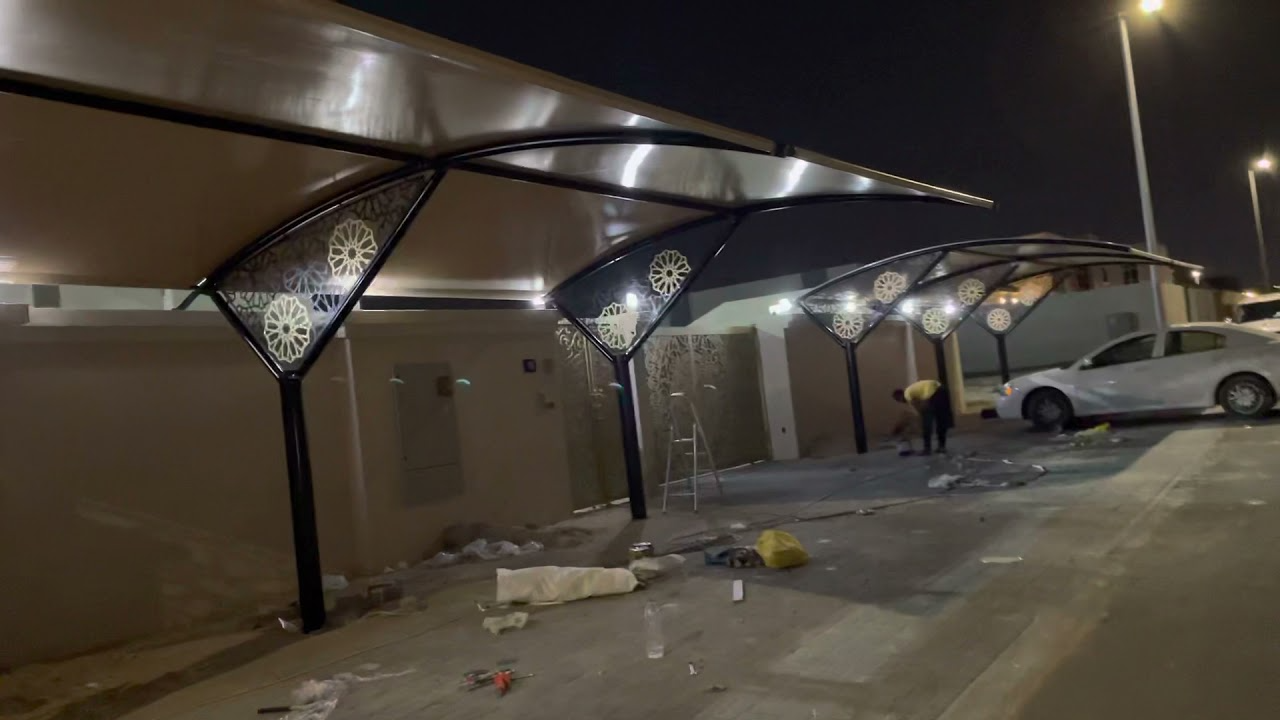
Dubai’s climate demands reliable protection for vehicles, especially during the hottest months when temperatures soar, UV radiation intensifies, and direct exposure can cause significant damage to cars. A car awning has become one of the most practical and essential solutions for residents, businesses, and property owners who want to safeguard their vehicles from heat, sunlight, and weather conditions. The growing popularity of car awnings in Dubai reflects a shift toward long-term preventive care, convenience, and enhanced durability for parked vehicles.
A car awning is more than simply a shade structure—it is a protective barrier that preserves your vehicle’s exterior, reduces heat buildup inside the cabin, and enhances comfort for drivers and passengers. Whether installed in residential settings, commercial parking areas, or industrial facilities, car awnings help maintain the lifespan and appearance of vehicles, making them a valuable investment across Dubai’s urban and suburban environments.
Why Car Awnings Are Important in Dubai
Dubai experiences intense sunlight throughout the year, with prolonged exposure posing risks to both the exterior and interior components of vehicles. Sunlight can cause paint oxidation, fading, dashboard cracking, battery stress, tire wear, and fluid evaporation. Additionally, high cabin temperatures are not just uncomfortable—they can affect electronic systems and overall vehicle performance.
A well-designed car awning helps shield vehicles from direct sunlight, significantly reducing heat accumulation. Even during peak summer, vehicles parked under a proper shade structure remain noticeably cooler, offering immediate comfort when the driver enters the car. This protection reduces the strain on air-conditioning systems, indirectly helping with fuel efficiency and energy consumption.
Beyond heat protection, car awnings also shield vehicles from sand, dust, bird droppings, and occasional rainfall—all of which contribute to wear and tear. In a city known for its unpredictable dust storms, having a reliable awning ensures the vehicle stays cleaner and requires less frequent washing or detailing.
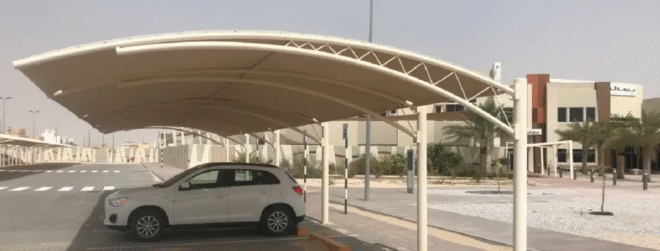
Types of Car Awnings Commonly Used in Dubai
Car awnings come in a variety of designs, each intended to serve different purposes and aesthetic preferences. Some of the most popular types include:
1. Cantilever Car Awnings
These awnings feature a sturdy structure supported from one side, providing maximum space and minimal obstruction. They are ideal for residential driveways and commercial parking areas where maneuverability is important.
2. Tensile Fabric Car Shades
Made from strong, flexible membrane fabrics, tensile structures offer modern aesthetics and excellent weather resistance. Their elegant curves and smooth surfaces make them popular in villas and upscale commercial spaces.
3. Pyramid or Cone-Shaped Awnings
Recognizable by their pyramid-style design, these awnings provide shade using a central pole and are often used in public parking areas due to their stability and efficient shade coverage.
4. Sail Shades
These stylish awnings use stretched fabric that forms triangular or rectangular shapes. They add a contemporary look to outdoor spaces while providing effective sun protection.
5. Parking Lot Awnings
Large-scale awnings designed for commercial, industrial, and residential communities. They cover multiple parking rows and are engineered to handle heavy use and long-term exposure.
Each type is built to withstand Dubai’s climate while offering a balance of practicality and visual appeal.
Materials Used in Car Awnings
Car awnings in Dubai must be made from durable, weather-resistant materials to handle the region’s intense conditions. The most commonly used materials include:
• UV-Resistant Fabrics
These fabrics are engineered to block harmful UV rays, prevent fading, and remain strong even after prolonged exposure. They provide consistent protection without degrading quickly.
• PVC-Coated Fabrics
Often used for more permanent or heavy-duty structures, PVC-coated fabrics are waterproof, fire-resistant, and capable of handling high wind and sand conditions.
• High-Grade Steel or Aluminum Frames
The structural supports must be corrosion-resistant and strong enough to endure occasional strong winds and year-round heat. Powder-coated steel and aluminum are widely used for their durability and longevity.
• Polycarbonate Sheets
Some car awnings are built using polycarbonate roofing sheets, known for their strength, temperature resistance, and modern appearance.
These materials are selected to ensure maximum protection, longevity, and minimal maintenance.
Benefits of Installing a Car Awning in Dubai
1. Protection From Sun and Heat
The primary advantage is shielding the vehicle from direct sunlight, preventing UV-related damage and reducing interior heat.
2. Enhanced Vehicle Lifespan
By reducing exposure to harsh elements, the car’s paint, upholstery, dashboard, and electrical components are better preserved.
3. Cost Savings on Maintenance
Less exposure means fewer repairs related to fading, cracking, or heat-induced wear. It also reduces the frequency of car washes caused by sand and dust.
4. Improved Comfort
Vehicles parked under an awning remain significantly cooler, making immediate entry more pleasant, especially during summer.
5. Aesthetic Value
Car awnings can enhance the look of properties, especially when designed to match architecture and outdoor landscaping.
6. Increased Property Value
Homes or commercial buildings with dedicated shaded parking are more appealing to residents, visitors, and customers.
7. Versatility
Car awnings can be installed in homes, villas, apartment complexes, shopping centers, offices, schools, and industrial areas.
Installation Considerations
For a car awning to offer long-term value, proper installation is crucial. Key factors include:
- Correct positioning to maximize shade during peak sunlight hours
- Sturdy anchoring to ensure stability during windy conditions
- Selecting appropriate materials based on usage and exposure
- Accurate measurements to cover the entire vehicle properly
- Drainage planning to prevent water buildup during occasional rain
- Compliance with local guidelines when required
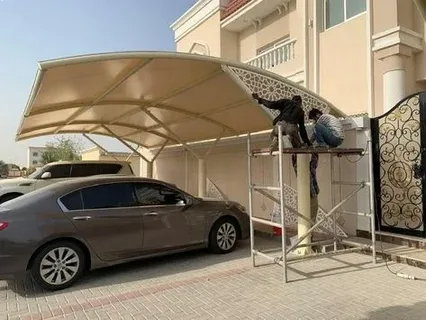
Professional installation ensures the awning is secure, functional, and capable of withstanding Dubai’s climate stressors.
Maintenance of Car Awnings
Car awnings are relatively low-maintenance, but periodic care extends their lifespan. Simple steps include cleaning fabric surfaces to prevent buildup of dust and sand, inspecting frames for any signs of rust or wear, and ensuring tension cables or bolts remain firm. High-quality awnings generally require minimal upkeep, making them a practical long-term solution.
Conclusion
A car awning in Dubai is more than a shade—it is an investment in vehicle protection, comfort, and long-term value. In a city where sunlight and temperature can be extreme, car awnings provide year-round relief and help extend the lifespan of vehicles. Whether for residential, commercial, or industrial use, they offer a durable, stylish, and practical solution to everyday climate challenges.