
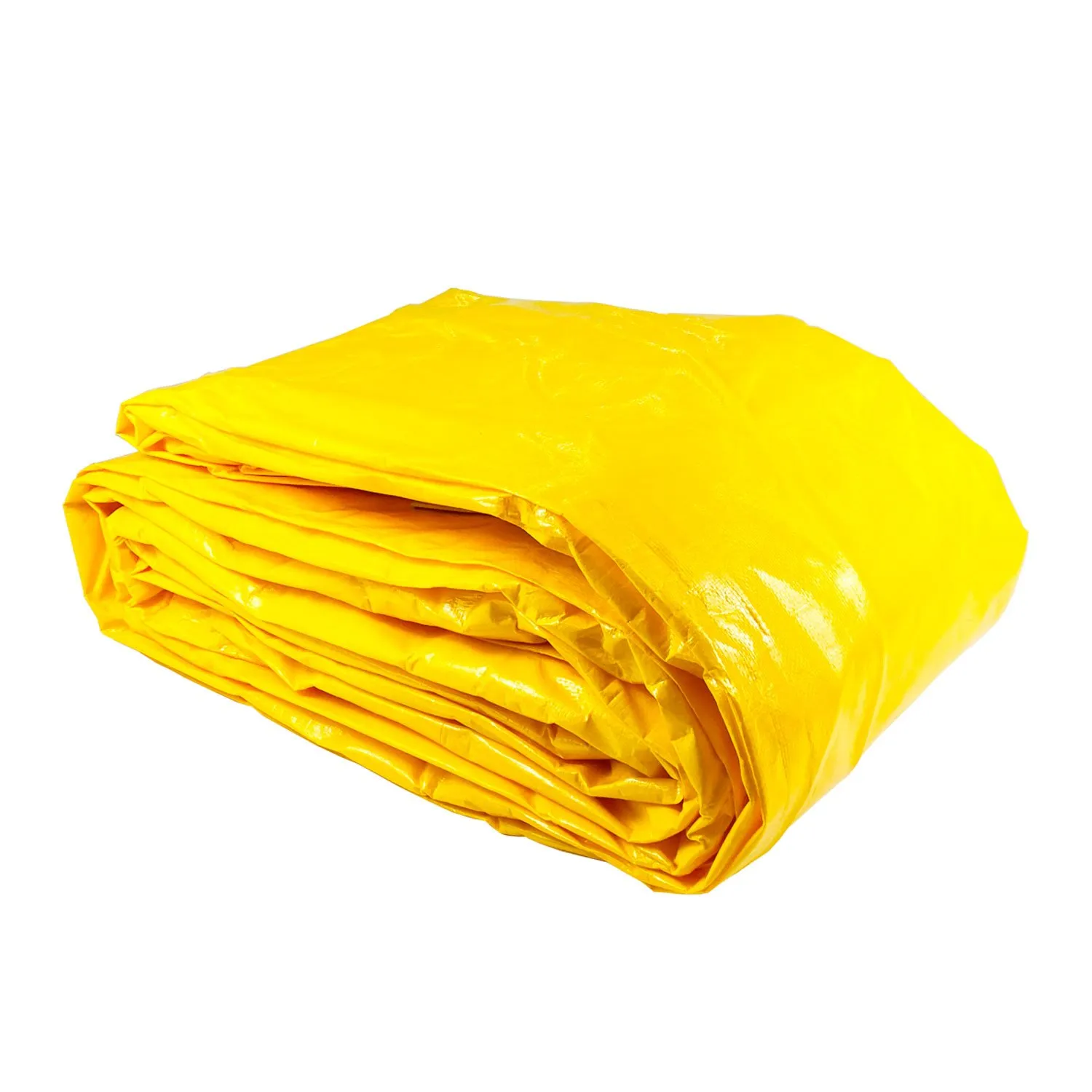
Construction in Dubai operates under demanding conditions. Between intense sun exposure, sandstorms, high winds, occasional heavy rain, and strict site safety requirements, protecting materials, machinery, and work zones is critical. One essential yet often underestimated tool on construction sites is heavy-duty tarpaulin.
Far more than a simple cover, construction-grade tarpaulin serves as protection, containment, weather defense, safety support, and even temporary infrastructure.
Choosing the right heavy-duty tarpaulin in Dubai requires understanding materials, applications, climate considerations, and performance standards.
This guide covers everything you need to know.
Why Heavy-Duty Tarpaulin Matters on Dubai Construction Sites
Dubai’s construction environment presents unique challenges:
- Extreme UV exposure
- Heat exceeding 45°C in summer
- Dust and sand intrusion
- Sudden wind events
- Moisture risks during seasonal rains
- Strict safety and compliance expectations
Ordinary covers fail quickly under these conditions.
Heavy-duty tarpaulin helps protect:
- Construction materials
- Machinery and equipment
- Scaffolding
- Temporary shelters
- Work zones
- Site perimeters
On many projects, tarpaulin is as practical as scaffolding or fencing.
What Is Heavy-Duty Construction Tarpaulin?
Heavy-duty tarpaulin is a reinforced protective sheet engineered for industrial-grade use.
Unlike standard lightweight tarps, construction tarpaulins are built for:
- High tensile strength
- Tear resistance
- UV protection
- Water resistance or waterproofing
- Abrasion resistance
- Long-term outdoor durability
They are commonly manufactured using:
- PVC-coated polyester
- HDPE (High-Density Polyethylene)
- LDPE laminated tarpaulin
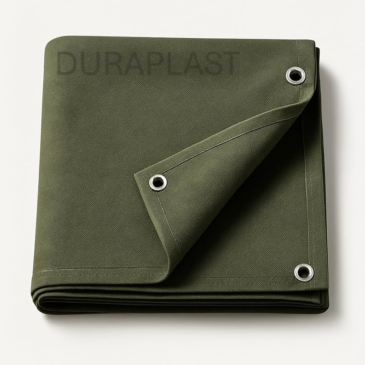
- Canvas tarpaulin
- Fire-retardant industrial fabrics
Each has different strengths depending on application.
Common Uses of Tarpaulin on Construction Sites
1. Material Protection
Construction materials exposed to Dubai’s climate can degrade rapidly.
Tarpaulins protect:
- Cement bags
- Steel reinforcement
- Timber
- Pipes
- Tiles
- Insulation materials
Protection reduces waste and prevents expensive damage.
2. Machinery Covers
Construction equipment often remains outdoors.
Heavy-duty tarps help shield:
- Excavators
- Generators
- Compressors
- Concrete mixers
- Site vehicles
UV exposure alone can shorten equipment lifespan.
Tarpaulin helps reduce wear.
3. Scaffolding Enclosures
Scaffold tarps serve multiple purposes:
- Dust control
- Wind barriers
- Shade
- Debris containment
- Worker protection
Very common on Dubai high-rise projects.
4. Temporary Site Shelters
Heavy-duty tarpaulin often supports:
- Worker shade areas
- Temporary roofing
- Storage shelters
- Site offices
- Emergency weather covers
In many cases, tarps become part of temporary site infrastructure.
5. Dust and Debris Containment
A major issue in urban Dubai projects.
Tarpaulins help contain:
- Dust emissions
- Demolition debris
- Falling materials
Important for safety and municipal compliance.
Why Dubai Conditions Demand Specialized Tarpaulin
Not all industrial tarps suit Gulf climates.
Dubai requires materials resistant to:
UV Degradation
Constant sun exposure weakens inferior materials.
UV-stabilized tarpaulins are essential.
Look for:
- UV coating
- Fade resistance
- Heat resistance
Without this, tarps can become brittle surprisingly fast.
Sand and Abrasion
- Blowing sand acts almost like constant abrasion.
- Low-quality fabrics wear down quickly.
- Reinforced coatings perform better.
High Temperatures
- Heat can soften or distort poor-quality materials.
- Construction-grade tarpaulins should tolerate prolonged thermal stress.
- Especially important for roofing or equipment covers.
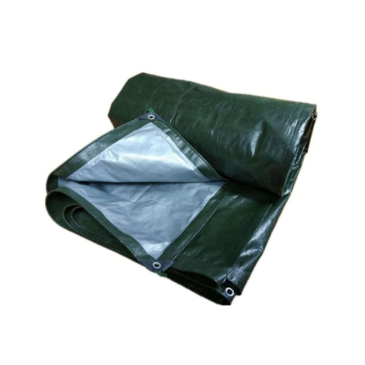
Types of Heavy-Duty Tarpaulin for Construction
PVC Tarpaulin
Often considered premium industrial choice.
Advantages:
- Waterproof
- Very durable
- UV resistant
- Tear resistant
- Long lifespan
Excellent for demanding construction use.
Popular in Dubai.
HDPE Tarpaulin
Lightweight but strong.
Good for:
- Scaffold covers
- Shade applications
- Material protection
Often cost-effective.
Canvas Tarpaulin
- Breathable and durable.
- Useful where ventilation matters.
- Less common for harsh exposure compared with PVC.
Fire-Retardant Tarpaulin
Critical for some industrial and high-risk sites.
Used for:
- Welding zones
- Hot work areas
- High-compliance projects
Often required under certain safety standards.
Key Features to Look For
GSM Weight
GSM = grams per square meter.
Higher GSM generally means heavier and stronger tarp.
Typical ranges:
- 150–250 GSM lighter duty
- 300–600 GSM heavy-duty
- 600+ industrial-grade
For construction, heavier often means better.
Reinforced Edges
Edges often fail first.
Look for:
- Hemmed edges
- Rope reinforcement
- Heat-sealed borders
These dramatically improve durability.
Rust-Resistant Eyelets
Grommets matter.
Quality eyelets support secure fastening and resist corrosion.
Especially important in outdoor conditions.
Waterproofing
Not all “water resistant” tarps are fully waterproof.
Know the difference.
For many construction uses, true waterproofing matters.
Tear Strength
Very important in windy environments.
Heavy-duty construction tarps should resist punctures and ripping.
Choosing the Right Tarpaulin for Specific Site Uses
For Material Covers
Best:
- Heavy PVC
- Waterproof HDPE
- UV resistant
Priority:
Protection from sun and moisture.
For Scaffold Wrapping
Best:
- Mesh tarpaulin
- Reinforced HDPE
Priority:
Wind management and debris containment.
For Equipment Covers
Best:
- Thick PVC
- Waterproof industrial-grade tarp
Priority:
Weather and UV defense.
For Temporary Roofing
Best:
- High GSM PVC tarpaulin
Priority:
Waterproofing and durability.
Importance of Flame-Retardant Tarps on Construction Sites
Sometimes overlooked.
Flame-retardant tarpaulin may be necessary around:
- Welding work
- Electrical zones
- Industrial facilities
Can support compliance and safety.
Always verify project requirements.
Installation Matters Too
Even premium tarpaulin can fail if installed poorly.
Common mistakes:
- Loose fastening
- Over-tensioning
- Inadequate support
- Poor drainage planning
Proper installation affects lifespan as much as material quality.
Maintenance Tips for Longer Tarpaulin Life
Heavy-duty tarps still need maintenance.
Inspect Regularly
Check for:
- Tears
- Loose eyelets
- UV wear
- Abrasion points
Small issues become bigger failures quickly.
Clean Periodically
Dust buildup can accelerate wear.
Simple cleaning extends performance.
Store Properly
When not in use:
- Keep dry
- Fold correctly
- Avoid prolonged ground contact
Storage matters.
Renting vs Buying Construction Tarpaulin
Buying Makes Sense For:
- Ongoing projects
- Frequent use
- Long-term needs
Better ROI.
Renting Makes Sense For:
- Short-term projects
- Temporary shielding
- Specialized large covers
Depends on project scope.
Compliance Considerations in Dubai
Depending on project type, tarpaulin may intersect with requirements for:
- Dust containment
- Site safety
- Fire resistance
- Scaffold coverings
Always align with contractor and regulatory requirements.
Cheap materials can create compliance risks.
Common Mistakes When Buying Tarpaulin
Choosing Based Only on Price
Cheap tarps often fail fastest.
Total replacement costs can exceed quality investment.
Ignoring UV Ratings
Critical in Dubai.
Never optional.
Using General-Purpose Tarps
Construction needs industrial-grade materials.
Not hardware-store covers.
Underestimating Wind Loads
Large tarpaulins face enormous wind pressure.
Specification matters.
Emerging Trends in Construction Tarpaulin
Modern innovations include:
Eco-Friendly Tarpaulin Materials
Growing interest in recyclable industrial fabrics.
Smart Industrial Covers
Some advanced systems include:
- Heat reflection coatings
- Improved fire resistance
- Enhanced durability layers
Technology is improving even basic site materials.
How to Select a Reliable Supplier in Dubai
Look for suppliers offering:
- Construction-grade specifications
- Custom sizes
- UV-certified materials
- Fire-retardant options
- Industrial warranties
Good suppliers help match products to actual site needs.
Final Thoughts
Heavy-duty tarpaulin may seem like a simple construction accessory, but on Dubai sites it plays a major role in protection, safety, efficiency, and compliance.
From shielding materials and equipment to enclosing scaffolding and managing dust, the right tarp can prevent damage, improve operations, and support project success.
In Dubai’s demanding environment, ordinary tarps often fail.
Investing in proper heavy-duty construction tarpaulin is not just practical.
It’s essential.
FAQs
1. What type of tarpaulin is best for Dubai construction sites?
Heavy-duty PVC tarpaulin is often preferred because it offers strong UV resistance, waterproofing, durability, and performs well under harsh Dubai climate conditions.
2. What GSM tarpaulin is suitable for heavy-duty construction use?
Generally 300–600 GSM works for many applications, while higher GSM industrial-grade tarpaulins may be better for demanding site conditions.
3. Is UV-resistant tarpaulin necessary in Dubai?
Yes. Strong UV exposure can quickly degrade low-quality tarpaulin, so UV-stabilized materials are essential for long-term outdoor use.
4. Can heavy-duty tarpaulin be used for scaffolding covers?
Yes. Reinforced scaffold tarpaulin is widely used for dust control, debris containment, worker protection, and wind shielding.
5. How long does heavy-duty construction tarpaulin last?
Depending on material quality, exposure, and maintenance, industrial tarpaulins can last several years under construction conditions.
6. Are fire-retardant tarpaulins needed on construction sites?
In some projects involving welding, electrical risk, or strict compliance standards, fire-retardant tarpaulin may be required or strongly recommended.