
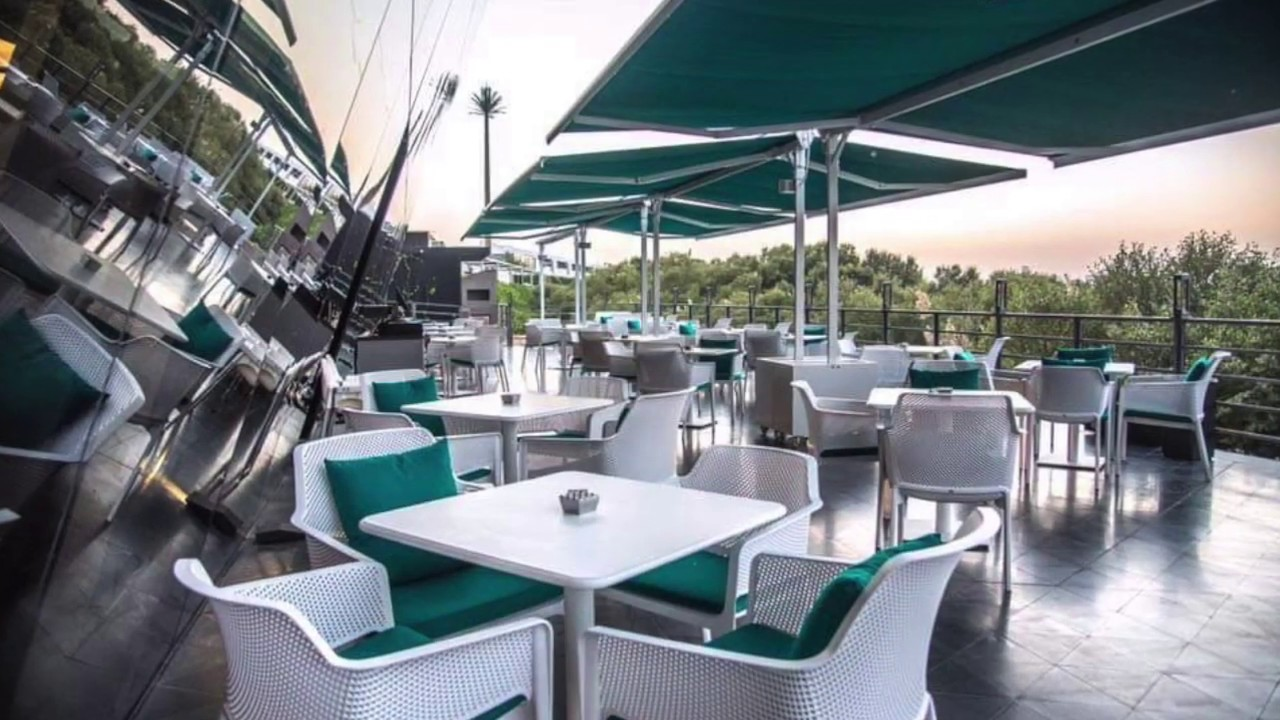
Living in Dubai means enjoying sunshine almost all year round. While the bright weather creates beautiful outdoor living opportunities, it also brings intense heat and strong UV exposure. That’s why choosing the right awning color is more important than many homeowners and business owners realize.
An awning is not just a decorative feature. The color you select can directly affect:
- Heat absorption
- Indoor temperature
- Energy efficiency
- Outdoor comfort
- Fabric durability
- Overall property appearance
Whether you are installing awnings for a villa, restaurant, café, balcony, patio, or commercial storefront in Dubai, selecting the right color can improve both style and functionality.
In this guide, we’ll explore how sun exposure affects awning colors, the best shades for Dubai’s climate, important design considerations, and practical tips for long-lasting performance.
Why Awning Color Matters in Dubai
Dubai’s climate is known for:
- Intense sunlight
- High temperatures
- Strong UV rays
- Long summers
- Minimal rainfall
These weather conditions place constant stress on outdoor materials, especially awnings.
The right color can help:
- Reflect heat
- Keep outdoor spaces cooler
- Reduce fading
- Improve energy efficiency
- Increase comfort levels
Choosing the wrong color may lead to excessive heat buildup and faster material wear.
Understanding Heat Absorption and Reflection
Different colors react differently to sunlight.
Light Colors Reflect Heat
Lighter awning colors reflect more sunlight and absorb less heat.
Popular light shades include:
- White
- Beige
- Cream
- Light gray
- Sand tones
These colors help keep shaded areas cooler during hot Dubai afternoons.
Dark Colors Absorb More Heat
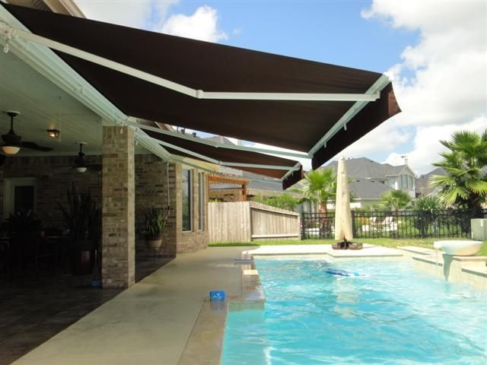
Dark awning colors absorb more sunlight, which increases surface temperature.
Common dark shades include:
- Black
- Dark blue
- Deep brown
- Charcoal
- Dark green
While dark colors can look elegant, they may create warmer shaded areas under intense sun exposure.
Best Awning Colors for Dubai’s Climate
Certain colors perform especially well in Dubai’s desert environment.
Beige and Sand Colors
Beige and sand shades are among the most popular choices in Dubai because they:
- Reflect sunlight effectively
- Match desert-inspired architecture
- Hide dust and sand better
- Create a soft and elegant appearance
These tones blend naturally with many villas and outdoor spaces.
Light Gray
Light gray is a modern and versatile option.
Benefits include:
- Contemporary appearance
- Good heat reflection
- Reduced glare
- Compatibility with modern architecture
It works well for both residential and commercial properties.
Off-White and Cream
Off-white awnings create a bright and luxurious look while helping reduce heat absorption.
They are ideal for:
- Patios
- Cafés
- Pool areas
- Luxury villas
However, they may require more cleaning due to dust buildup.
Soft Earth Tones
Natural earthy colors such as taupe or light brown complement Dubai’s environment beautifully while remaining practical for outdoor use.
Should You Avoid Dark Awning Colors?
Dark awnings are not always a bad choice, but they require careful consideration.
Advantages of Dark Colors
Dark awnings can:
- Create dramatic contrast
- Look modern and sophisticated
- Provide stronger shade appearance
- Hide stains better
Disadvantages in Dubai Heat
In Dubai’s extreme temperatures, dark colors may:
- Absorb more heat
- Become hotter to the touch
- Fade faster under UV exposure
- Increase surrounding temperatures
If you prefer darker shades, choosing UV-resistant fabrics becomes even more important.
The Importance of UV-Resistant Fabrics
Color selection is only one part of awning performance.
High-quality UV-resistant fabrics help protect against:
- Sun damage
- Fading
- Fabric weakening
- Cracking
- Heat deterioration
Professional awning suppliers in Dubai often recommend acrylic or coated fabrics designed specifically for hot climates.
Matching Awning Colors with Property Design
Your awning should complement your property’s architecture and exterior colors.
Modern Homes
For modern villas and buildings, popular awning colors include:
- Gray
- White
- Charcoal
- Black accents
- Minimalist neutral tones
Traditional Arabic Architecture
Warm earthy shades work beautifully with traditional Middle Eastern designs, including:
- Beige
- Sand
- Brown
- Terracotta
- Cream
Commercial Spaces
Restaurants, cafés, and retail stores often choose colors that match branding while still performing well in sunlight.
Professional businesses commonly use:
- Neutral tones
- Elegant dark accents
- Branded stripe patterns
How Sun Direction Affects Color Choice
The amount of sunlight your awning receives throughout the day matters.
South-Facing Areas
South-facing outdoor areas receive the strongest sunlight exposure. Light-colored awnings are usually best for these locations.
West-Facing Areas
West-facing patios experience intense afternoon heat. Heat-reflective colors and UV-resistant fabrics are highly recommended.
Partially Shaded Areas
If your space already has some natural shade, you may have more flexibility with darker or decorative color options.
Popular Awning Styles in Dubai
Color selection also depends on the type of awning being installed.
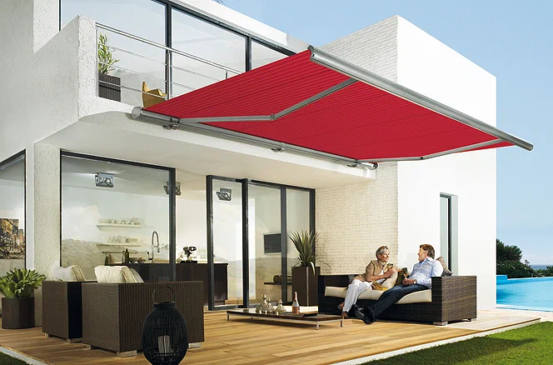
Retractable Awnings
Retractable awning systems are popular because they offer adjustable shade and flexibility. Neutral colors often work best for these modern systems.
Fixed Awnings
Fixed awnings provide permanent protection and are commonly used for:
- Storefronts
- Outdoor seating areas
- Villa entrances
Durable fade-resistant colors are ideal.
Pergola Awnings
Pergola structures often use elegant fabric shades that enhance outdoor luxury spaces.
Soft neutral colors create a resort-style atmosphere.
Energy Efficiency Benefits
The right awning color can reduce indoor cooling costs.
By blocking sunlight and reducing heat transfer, awnings help:
- Lower air conditioning use
- Improve indoor comfort
- Protect furniture from UV damage
- Reduce energy bills
This is especially valuable during Dubai’s long summer season.
Maintenance Considerations
Different colors require different levels of maintenance.
Light Colors
Light-colored awnings may show:
- Dust
- Sand
- Pollution
More frequent cleaning may be needed.
Medium Tones
Beige and gray tones often balance appearance and maintenance needs very well.
Dark Colors
Dark awnings may hide dirt better but can show fading more quickly over time.
Fade Resistance and Longevity
Dubai’s sunlight can cause colors to fade if low-quality materials are used.
To improve longevity:
- Choose UV-stabilized fabrics
- Invest in premium materials
- Use protective coatings
- Schedule regular maintenance
Professional installation companies often offer fade-resistant solutions designed for desert climates.
Why Professional Guidance Matters
Choosing awning in Dubai colors involves more than personal preference.
Professional installers can help evaluate:
- Sun exposure
- Property style
- Fabric performance
- Heat reduction goals
- Long-term durability
Experienced awning specialists understand which materials and colors perform best in Dubai’s environment.
Common Mistakes to Avoid
Choosing Style Over Performance
A beautiful color may not always perform well under intense sunlight.
Balance aesthetics with practicality.
Ignoring Fabric Quality
Even the best color choice can fail if the material is poor quality.
Overlooking Maintenance Needs
Some colors require more frequent cleaning due to Dubai’s dusty environment.
Not Considering Building Design
Awning colors should complement the property’s overall appearance for the best visual impact.
Eco-Friendly Advantages of Proper Awning Selection
Well-designed awnings support sustainable living by reducing heat gain and lowering energy usage.
Benefits include:
- Reduced electricity consumption
- Lower cooling costs
- Improved outdoor comfort
- Longer-lasting outdoor furniture protection
Energy-efficient shading solutions are becoming increasingly important in modern Dubai properties.
FAQs Awning in Dubai
What is the best awning color for Dubai heat?
Light colors such as beige, cream, sand, and light gray are ideal because they reflect heat and sunlight effectively.
Do dark awnings make outdoor spaces hotter?
Yes. Dark colors absorb more heat, which can increase temperatures beneath the awning.
Which awning colors fade the least?
Neutral and high-quality UV-resistant fabrics generally maintain their color longer under strong sunlight.
Are white awnings hard to maintain in Dubai?
White awnings may show dust and sand more easily, requiring regular cleaning.
Can awnings reduce indoor temperatures?
Yes. Properly installed awnings help block sunlight and reduce indoor heat buildup.
What fabric works best for Dubai weather?
UV-resistant acrylic and coated outdoor fabrics are commonly recommended for Dubai’s climate.
Should awning colors match the building?
Yes. Coordinating awning colors with the building’s architecture creates a more attractive and balanced appearance.
Final Thoughts Awning in Dubai
Choosing the right awning color for Dubai’s sun exposure is an important decision that affects comfort, appearance, durability, and energy efficiency. In a climate as hot and sunny as Dubai, selecting heat-reflective colors and high-quality UV-resistant fabrics can make a major difference.
Light neutral shades such as beige, sand, cream, and light gray remain among the best choices for staying cool while maintaining a stylish outdoor environment. At the same time, professional guidance ensures the awning complements your property and performs well for years to come.
By balancing aesthetics, climate performance, and material quality, homeowners and businesses can create comfortable and elegant shaded spaces perfectly suited to Dubai’s unique weather conditions.