
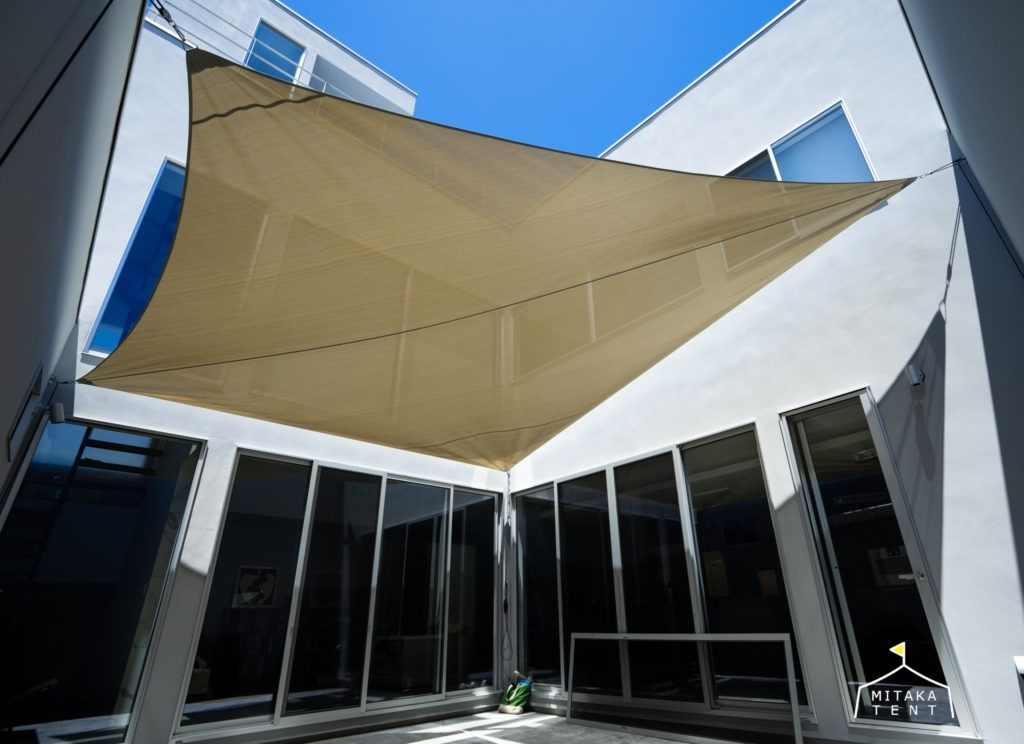
Outdoor spaces have become an extension of modern homes and commercial properties. Whether it’s a backyard patio, rooftop lounge, café terrace, garden, swimming pool, or parking area, people want comfortable spaces that provide protection from the sun without compromising aesthetics. This growing demand has led to the popularity of modern sun shade designs that blend contemporary style with practical functionality and exceptional durability.
Unlike traditional shade structures, today’s sun shades are engineered using advanced materials such as HDPE shade fabric, tensile membranes, aluminum frames, polycarbonate panels, and weather-resistant textiles. These materials not only enhance visual appeal but also offer superior UV protection, ventilation, and long-lasting performance in diverse climates.
In this guide, we’ll explore the latest modern sun shade designs, their benefits, materials, applications, and key factors to consider before choosing the right solution for your outdoor space.
Why Modern Sun Shade Designs Are Becoming Popular
Modern lifestyles emphasize outdoor living. People now spend more time relaxing, entertaining, dining, or working outdoors, making effective shade solutions more important than ever.
Modern sun shades offer several advantages over conventional structures:
- Enhanced visual appeal
- Better UV protection
- Improved airflow
- Weather resistance
- Energy efficiency
- Low maintenance
- Longer lifespan
- Flexible installation options
These benefits make them suitable for both residential and commercial applications.
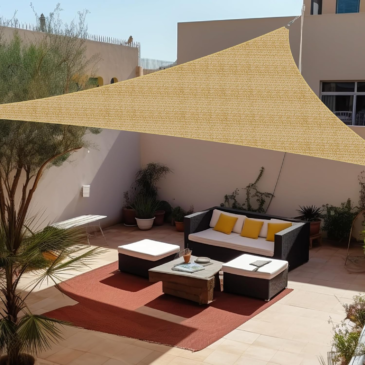
Key Features of Modern Sun Shade Designs
Today’s sun shade systems are designed to provide more than just shade. They combine innovative engineering with architectural aesthetics.
Some defining characteristics include:
- Minimalist designs
- Lightweight structures
- Durable materials
- UV-resistant fabrics
- Wind-resistant construction
- Customizable colors and shapes
- Easy maintenance
- Eco-friendly options
These features ensure both functionality and long-term value.
Popular Modern Sun Shade Designs
1. HDPE Shade Net Structures
HDPE (High-Density Polyethylene) shade nets are among the most practical and affordable modern shading solutions.
These knitted fabrics allow air circulation while reducing harmful UV radiation and heat.
Common applications include:
- Home gardens
- Parking areas
- Greenhouses
- Swimming pools
- Playgrounds
- Rooftops
- Agricultural farms
Available in various shade percentages, HDPE shade nets can be customized according to sunlight requirements.
Benefits
- Excellent ventilation
- UV stabilization
- Lightweight installation
- Long service life
- Cost-effective
2. Shade Sail Designs
Shade sails have become one of the most recognizable modern outdoor shading options.
Inspired by sailboats, these structures use tensioned fabric stretched between multiple anchor points.
Popular shapes include:
- Triangle
- Square
- Rectangle
- Multi-layer combinations
Shade sails create elegant architectural lines while providing substantial sun protection.
Best For
- Patios
- Courtyards
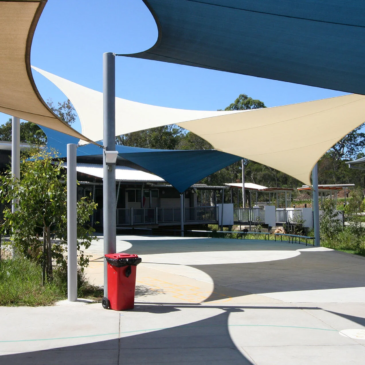
- Schools
- Resorts
- Outdoor cafés
- Swimming pools
3. Cantilever Sun Shades
Cantilever structures feature a single support column, eliminating the need for multiple posts.
This design provides unobstructed usable space beneath the canopy.
They are commonly used in:
- Outdoor seating areas
- Parking lots
- Restaurants
- Hotels
- Commercial entrances
Their sleek appearance complements contemporary architecture.
4. Pergolas with Retractable Canopies
Modern pergolas combine traditional elegance with advanced functionality.
Retractable fabric roofs allow users to control sunlight throughout the day.
Advantages include:
- Adjustable shade
- Stylish appearance
- Increased property value
- Flexible outdoor usage
These systems are ideal for luxury homes and hospitality spaces.
5. Tensile Membrane Structures
Tensile fabric structures are known for their dramatic architectural appearance.
Using high-strength fabric under tension, these designs cover large open areas with minimal structural support.
Common installations include:
- Stadiums
- Airports
- Shopping malls
- Event venues
- Universities
Their sculptural form creates a striking visual statement.
6. Polycarbonate Roof Canopies
For those seeking both sunlight and weather protection, polycarbonate roofing provides an excellent balance.
These translucent panels allow natural daylight while blocking harmful UV rays.
Applications include:
- Walkways
- Balconies
- Carports
- Building entrances
Polycarbonate roofs are highly durable and resistant to impact.
Materials Used in Modern Sun Shades
The material significantly influences durability, maintenance, and overall performance.
HDPE Fabric
HDPE is one of the most durable shade materials available.
It offers:
- UV resistance
- Breathability
- Tear resistance
- Lightweight construction
- Long lifespan
PVC-Coated Fabric
PVC-coated membranes are waterproof and suitable for permanent installations.
They provide excellent strength and are widely used in commercial projects.
Aluminum
Aluminum frames are:
- Rust-resistant
- Lightweight
- Strong
- Low maintenance
They are commonly paired with fabric or polycarbonate roofing.
Stainless Steel
Stainless steel provides exceptional structural strength and corrosion resistance.
It is often used in premium tensile structures.
Polycarbonate Panels
These transparent roofing panels offer:
- UV filtering
- High impact resistance
- Excellent durability
- Modern aesthetics
Benefits of Modern Sun Shade Designs
Superior UV Protection
Quality shade structures block a significant portion of harmful ultraviolet rays, creating safer outdoor environments for people, pets, and plants.
Better Temperature Control
Modern shade systems reduce heat absorption, helping outdoor spaces remain cooler and more comfortable during hot weather.
This can also lower indoor cooling costs when installed near buildings.
Improved Air Circulation
Unlike solid roofing, mesh-based and tensile fabric systems encourage airflow, preventing excessive heat buildup underneath.
Long-Term Durability
Most modern sun shade materials are engineered to withstand:
- Rain
- Wind
- UV exposure
- Humidity
- Temperature fluctuations
Many systems remain functional for years with minimal maintenance.
Low Maintenance
Most contemporary shade solutions require only occasional cleaning with water and mild detergent.
Unlike traditional wooden structures, they do not require frequent painting or sealing.
Stylish Outdoor Enhancement
Modern designs enhance the appearance of:
- Homes
- Hotels
- Restaurants
- Offices
- Parks
- Recreational facilities
Their clean lines and contemporary finishes complement modern architecture.
Residential Applications
Homeowners use modern sun shades in numerous ways.
Popular installations include:
- Backyard patios
- Rooftop gardens
- Swimming pools
- Outdoor kitchens
- Balconies
- Children’s play areas
- Carports
These structures create comfortable living spaces while protecting furniture from sun damage.
Commercial Applications
Businesses increasingly invest in stylish shading systems to improve customer comfort.
Common examples include:
- Outdoor cafés
- Restaurants
- Resorts
- Shopping centers
- Schools
- Hotels
- Hospitals
- Office buildings
Modern sun shades also contribute to a more professional and inviting appearance.
How to Choose the Right Sun Shade Design
Selecting the ideal design depends on several factors.
Purpose
Determine whether the structure is intended for relaxation, parking, gardening, commercial use, or architectural enhancement.
Climate
Areas with intense sunlight require UV-stabilized materials such as HDPE or PVC-coated fabrics.
Regions with heavy rainfall may benefit from waterproof canopies or polycarbonate roofing.
Available Space
Measure the installation area carefully before choosing the size and design.
Larger spaces may require tensile membrane systems, while compact patios can be effectively covered using shade sails or pergolas.
Maintenance Requirements
Consider how much maintenance you’re willing to perform.
HDPE fabrics and aluminum frames generally require the least upkeep.
Budget
Balance upfront installation costs with long-term durability and maintenance savings.
Higher-quality materials often provide better value over time.
Modern Sun Shade Design Trends
Outdoor architecture continues to evolve with innovative design concepts.
Current trends include:
- Neutral color palettes
- Layered shade sails
- Smart retractable systems
- Sustainable materials
- Minimalist aluminum frames
- Integrated LED lighting
- Solar-powered shade structures
- Green landscaping integration
These trends combine aesthetics with improved functionality.
Why Durability Matters
A shade structure is a long-term investment.
Choosing durable materials helps reduce:
- Repair costs
- Replacement frequency
- Maintenance expenses
- Weather-related damage
High-quality sun shade systems maintain their appearance and performance for many years, making them more economical over time.
Final Thoughts
Modern sun shade designs have transformed outdoor living by combining elegant aesthetics with practical performance. Whether you choose an HDPE shade net, a stylish shade sail, a retractable pergola, or a tensile membrane structure, today’s options provide exceptional UV protection, enhanced comfort, and long-lasting durability.
The right sun shade should complement your property’s design while meeting your specific functional needs. By considering factors such as climate, purpose, materials, maintenance, and budget, you can select a solution that delivers both immediate comfort and long-term value.
As outdoor spaces continue to play a central role in homes and businesses, investing in a modern, durable, and visually appealing sun shade is a smart decision that enhances usability, protects against the elements, and elevates the overall appeal of your environment.
FAQs
1. What is the most durable material for modern sun shades?
HDPE shade fabric, PVC-coated membranes, aluminum frames, and polycarbonate panels are among the most durable materials. They offer excellent resistance to UV rays, weather, corrosion, and daily wear.
2. Are modern sun shade structures suitable for all climates?
Yes. Most modern sun shade systems are designed to withstand harsh sunlight, rain, wind, and temperature changes. Choosing weather-appropriate materials ensures optimal performance in your local climate.
3. Which sun shade design is best for a backyard patio?
Popular choices for patios include shade sails, retractable pergolas, cantilever canopies, and HDPE shade structures. The ideal option depends on your budget, available space, and desired level of sun protection.
4. How long do modern sun shade systems typically last?
The lifespan varies by material and maintenance. High-quality HDPE shade nets can last 5–10 years, while aluminum-framed pergolas, tensile structures, and polycarbonate canopies can last even longer with proper care.
5. Do modern sun shades increase property value?
Yes. Well-designed and professionally installed sun shade structures enhance outdoor functionality, improve curb appeal, and create attractive living or commercial spaces, which can contribute to increased property value.