
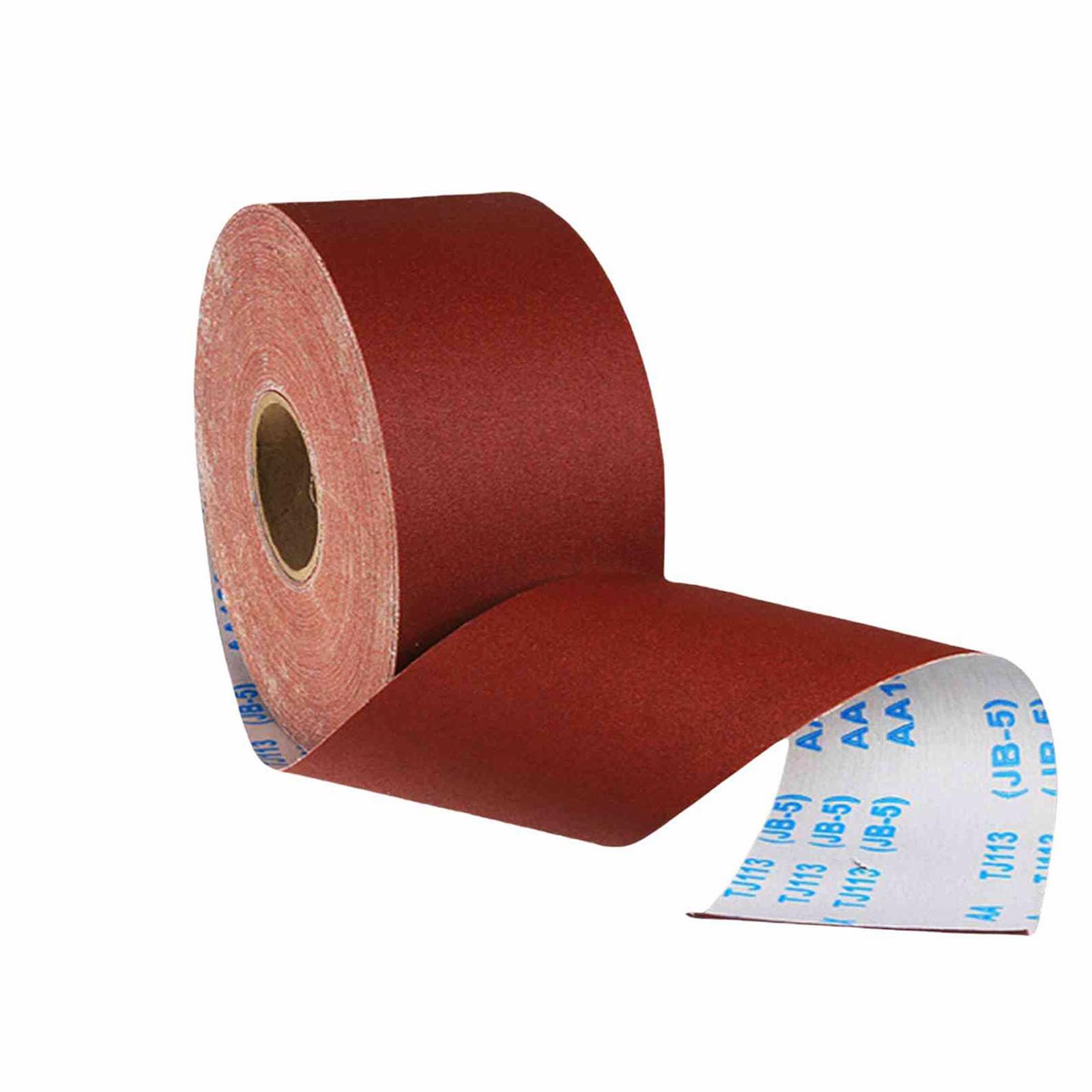
Abrasive rolls are one of those industrial supplies that seem straightforward until you’re standing in front of dozens of options with different grit levels, backing materials, and mineral compositions. Choosing the wrong type doesn’t just slow down a project — it can damage the workpiece, waste material, and drive up costs through excessive replacement. For businesses across Dubai’s construction, metal fabrication, automotive, and woodworking sectors, understanding how to select the right abrasive roll is a practical skill worth getting right. This guide walks through the key factors to consider, with guidance drawn from how suppliers like Dubai Coast Trading help customers match the right product to the right job.
What Are Abrasive Rolls in Dubai Used For?
Before choosing a specific type, it helps to understand the range of applications abrasive rolls typically cover, since the right choice depends heavily on the task at hand.
Common Industrial Applications
- Surface preparation before painting, coating, or finishing
- Removing rust, corrosion, or old paint from metal surfaces
- Smoothing welds and metal seams in fabrication work
- Sanding wood surfaces during furniture or cabinetry production
- Deburring and finishing edges on manufactured parts
Common Commercial and Trade Applications
- Automotive bodywork and refinishing
- Construction and renovation surface prep
- General maintenance and repair work across facilities
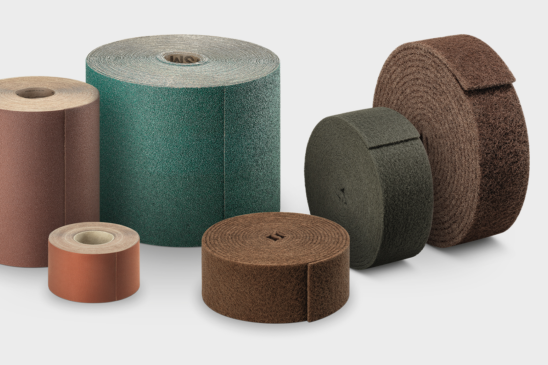
Understanding Abrasive Mineral Types
The mineral used in an abrasive rolls in Dubai determines how aggressively it cuts, how long it lasts, and what materials it handles best.
Aluminum Oxide
- One of the most widely used and versatile abrasive minerals
- Performs well on wood, metal, and painted surfaces
- Offers a good balance between durability and cost, making it a common default choice
Zirconia Alumina
- More durable and heat-resistant than standard aluminum oxide
- Self-sharpening properties make it suitable for heavy-duty metal grinding
- Often chosen for high-pressure, high-heat industrial applications
Silicon Carbide
- Sharper and harder than aluminum oxide, cutting faster on certain materials
- Well suited for non-ferrous metals, plastics, glass, and stone
- Tends to wear faster on tougher steel applications compared to zirconia
Ceramic Abrasives
- The most durable and long-lasting option among common abrasive minerals
- Designed for demanding, high-volume industrial grinding tasks
- Typically priced higher, reflecting the extended service life
Choosing the Right Grit Size
Grit size determines how coarse or fine the abrasive action will be, and selecting the wrong grit is one of the most common mistakes in surface preparation work.
Coarse Grits (40–60)
- Best for aggressive material removal, such as stripping paint or rust
- Suitable for initial passes on rough or heavily damaged surfaces
- Leaves a rougher finish that typically requires follow-up with finer grits
Medium Grits (80–120)
- A practical middle ground for general surface smoothing
- Commonly used after initial coarse-grit work to refine the surface
- Suitable for many standard woodworking and metal prep tasks
Fine Grits (150–240 and Above)
- Used for final finishing before painting, staining, or coating
- Produces a smooth surface with minimal visible scratch marks
- Essential for projects where appearance and surface quality matter most
Working Through a Grit Progression
- Starting with a coarser grit and gradually moving to finer grits produces the best overall finish
- Skipping grit stages can leave visible scratches that finer grits alone struggle to remove
- Matching grit progression to the material being worked ensures efficient time and material use
Backing Material Matters Too
The backing material of an abrasive roll affects flexibility, durability, and how well it performs under specific conditions.
Cloth-Backed Rolls
- More flexible and durable, making them suitable for contoured or curved surfaces
- Better resistance to tearing during heavy-duty use
- Commonly preferred for metalworking applications
Paper-Backed Rolls
- Generally more economical for lighter-duty, flat-surface sanding
- Less durable under heavy pressure or repeated heavy use
- Well suited for woodworking and general-purpose tasks
Film-Backed Rolls
- Offer consistent thickness and a uniform scratch pattern
- Often used in fine-finishing applications where surface consistency is critical
- Resistant to moisture, making them useful in wet sanding applications
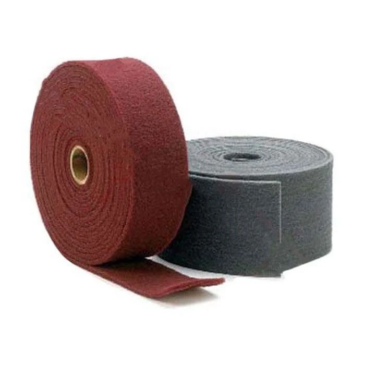
Matching Abrasive Rolls in Dubai to Your Industry
Different industries in Dubai tend to gravitate toward specific combinations of mineral type, grit, and backing based on their typical workloads.
Metal Fabrication and Welding
- Zirconia alumina or ceramic abrasives on cloth backing for durability under heavy grinding
- Coarse to medium grits for weld smoothing and surface prep before finishing
Woodworking and Furniture Production
- Aluminum oxide on paper or cloth backing, depending on the finish required
- A full grit progression from coarse to fine for cabinetry and furniture-grade finishes
Automotive Refinishing
- Fine to ultra-fine grits, often on film backing, for smooth paint and clear coat preparation
- Silicon carbide is frequently used for its compatibility with automotive-grade materials
Practical Tips for Buying Abrasive Rolls in Dubai
Beyond understanding the technical specifications, a few practical considerations can help ensure you’re getting the right product for your budget and timeline.
Questions to Ask Your Supplier
- Which mineral type performs best for the specific material you’re working with
- Whether the backing material suits the amount of flexing or contouring your application requires
- What grit progression is recommended for achieving your desired finish
Working With a Knowledgeable Supplier
Suppliers with strong technical knowledge, such as Dubai Coast Trading, can help narrow down options based on your specific application rather than leaving you to guess between similar-looking products. This is particularly valuable for businesses ordering in bulk, where choosing the wrong type across a large order can be costly to correct.
Storage and Handling Considerations
- Store abrasive rolls in a dry environment to prevent backing material degradation
- Avoid excessive heat exposure, which can affect adhesive bonding on the abrasive surface
- Keep rolls in their original packaging until use to protect against dust and moisture contamination
FAQs Abrasive Rolls in Dubai
1. What’s the difference between aluminum oxide and zirconia alumina abrasive rolls?
Aluminum oxide is a versatile, cost-effective option suitable for general-purpose sanding, while zirconia alumina is more durable and heat-resistant, making it better suited for heavy-duty metal grinding applications.
2. How do I know what grit size to start with on a project?
Grit selection depends on the surface condition. Heavily damaged or rough surfaces typically require a coarse grit first, followed by progressively finer grits to achieve a smooth final finish.
3. Can the same abrasive roll be used for both wood and metal?
While some abrasives, like aluminum oxide, can technically work on multiple materials, using a mineral type specifically suited to the material — such as zirconia for metal — generally produces better results and longer product life.
4. Does the backing material really make a noticeable difference in performance?
Yes. Cloth backing offers more durability and flexibility for demanding tasks, while paper backing is typically more economical for lighter, flat-surface work. Film backing is often chosen for fine-finishing consistency.
5. Where can businesses in Dubai source a reliable range of abrasive rolls?
Suppliers such as Dubai Coast Trading offer a range of abrasive roll types suited to different industrial and commercial applications, along with guidance on selecting the right mineral, grit, and backing combination for specific projects.
Final Thoughts Abrasive Rolls in Dubai
Choosing the right abrasive rolls in Dubai comes down to understanding three core factors: the mineral type, the grit size, and the backing material, all matched to the specific material and application at hand. Getting this combination right saves time, reduces material waste, and produces a better final result, whether you’re prepping metal for welding, finishing furniture, or refinishing an automotive surface. Working with a supplier that understands these distinctions, such as Dubai Coast Trading, makes it easier to select the right product the first time rather than relying on trial and error.