
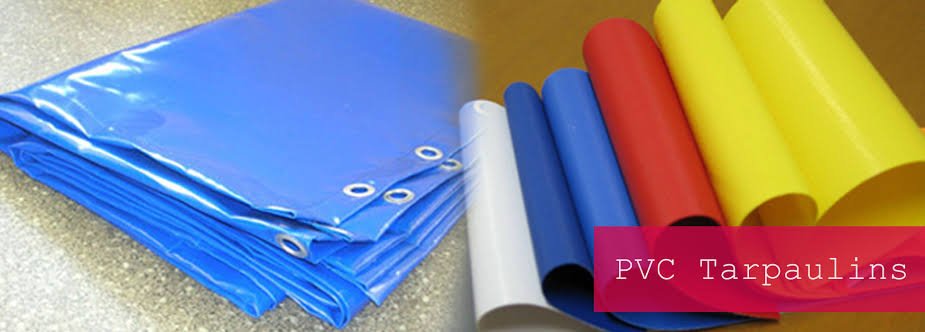
PVC tarpaulins have been a dependable material across construction, logistics, agriculture, and events for decades, valued for their durability and weather resistance. But the industry around this material is changing. Manufacturers and suppliers are under growing pressure to improve environmental performance, extend product lifespans, and adapt to new applications across expanding sectors. This article looks at where PVC tarpaulin technology is heading, how sustainability is reshaping the way these materials are produced and used, and what that means for buyers working with suppliers such as Dubai Coast Trading.
Why PVC Tarpaulins Remain So Widely Used
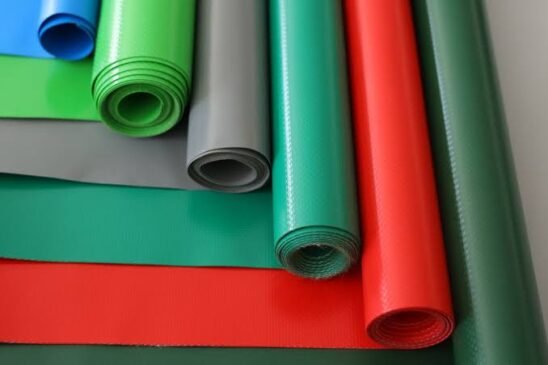
Before looking ahead, it’s worth understanding why PVC tarpaulins have remained a go-to material across so many industries for so long.
Core Strengths of PVC Tarpaulin Material
- Strong resistance to weather, including UV exposure, rain, and temperature extremes
- Durable construction that withstands repeated folding, stretching, and outdoor use
- Flexibility in thickness and coating options, allowing customization for different applications
- Relatively low cost compared to many alternative heavy-duty fabric materials
Where the Material Still Falls Short
- Traditional PVC formulations have raised environmental concerns due to plasticizer content and end-of-life disposal challenges
- Older manufacturing processes were not optimized for recyclability
- Some applications increasingly demand lighter, more flexible materials without sacrificing durability
Innovation in PVC Tarpaulin Manufacturing
The manufacturing side of the industry has seen meaningful changes aimed at improving both performance and longevity.
Advances in Coating Technology
- Improved lacquer and top-coating formulations that enhance UV resistance and reduce surface degradation over time
- Anti-fungal and anti-microbial coatings that extend usable life in humid or tropical climates
- Fire-retardant treatments that expand PVC tarpaulin use into applications with stricter safety requirements
Stronger, Lighter Base Fabrics
- Refined polyester weave structures that maintain strength while reducing overall material weight
- Reinforced edge and seam technology that improves tear resistance under tension
- Improved tensile strength allowing thinner material to perform at levels previously requiring heavier fabric
Digital Printing Integration
- High-resolution digital printing directly onto PVC tarpaulin surfaces, expanding use in branded signage and advertising
- Faster production turnaround for custom printed orders compared to older screen-printing methods
- Greater color accuracy and print durability under outdoor conditions
Sustainability Efforts Reshaping the Industry
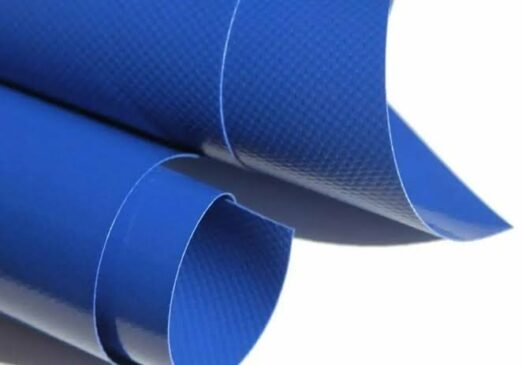
Sustainability has moved from a niche consideration to a central factor in how PVC tarpaulins are developed and marketed.
Reducing Environmental Impact in Production
- Phthalate-free plasticizer formulations that address health and environmental concerns associated with older PVC products
- Reduced use of heavy metals in stabilizers, aligning with stricter international manufacturing standards
- More efficient production processes that reduce material waste during manufacturing
Recycling and End-of-Life Solutions
- Growing availability of recyclable PVC tarpaulin products designed for easier material recovery
- Take-back and recycling programs offered by some manufacturers to reduce landfill waste
- Repurposing of retired tarpaulins into secondary products, such as bags, covers, or industrial mats
Extending Product Lifespan as a Sustainability Strategy
- Longer-lasting coatings and reinforced fabrics reduce how often material needs replacement
- Extended lifespan directly reduces the overall environmental footprint per unit of use
- Buyers increasingly weigh total lifecycle value rather than just upfront cost when selecting tarpaulin products
Expanding Applications Across Industries
As the material improves, the range of industries relying on PVC tarpaulins continues to grow.
Construction and Industrial Uses
- Scaffolding covers and debris containment on active construction sites
- Temporary weatherproofing during building renovations
- Equipment and machinery covers protecting valuable assets from environmental exposure
Transportation and Logistics
- Truck and trailer covers protecting cargo during transport
- Container liners and covers for shipping and storage applications
- Flatbed covers designed to withstand highway wind resistance and prolonged sun exposure
Agriculture and Storage
- Crop and hay covers protecting stored agricultural products from weather damage
- Livestock shelter coverings offering durable, low-maintenance protection
- Silage covers designed to maintain an airtight seal for feed preservation
Events, Signage, and Recreational Uses
- Large-format printed banners and advertising displays
- Temporary event structures, tents, and canopy coverings
- Pool and recreational equipment covers requiring durable weather resistance
What the Future Likely Holds
Looking ahead, several trends appear likely to shape the next generation of PVC tarpaulin products.
Continued Movement Toward Circular Manufacturing
- Increased investment in closed-loop recycling systems that convert used tarpaulins back into raw material
- Growing demand from commercial buyers for documented sustainability credentials
- Regulatory pressure in some markets pushing manufacturers toward greener formulations
Smarter, More Specialized Materials
- Continued development of application-specific coatings, such as enhanced chemical resistance for industrial use
- Lighter-weight formulations aimed at reducing shipping costs and handling difficulty
- Greater customization options for businesses ordering large volumes for specific project needs
Growing Role of Reliable Suppliers
As the range of PVC tarpaulin options expands, buyers increasingly rely on knowledgeable suppliers to navigate the growing number of specifications and formulations available. Suppliers such as Dubai Coast Trading play an important role in helping businesses match the right tarpaulin type, weight, and coating to their specific application, rather than defaulting to a generic option that may underperform.
Choosing the Right PVC Tarpaulin for Your Needs
With more options available than ever, selecting the right product requires thinking beyond just price per meter.
Key Factors to Consider
- The specific environmental conditions the tarpaulin will face, including sun exposure, moisture, and temperature range
- Required durability based on frequency of use and handling conditions
- Whether specialized properties, such as fire retardance or anti-fungal treatment, are necessary for the application
- Sustainability considerations, including recyclability and expected product lifespan
FAQs
1. Are PVC tarpaulins becoming more environmentally friendly?
Yes, many manufacturers have shifted toward phthalate-free formulations, reduced heavy metal content, and recyclable designs, reflecting broader industry efforts to reduce environmental impact.
2. What industries use PVC tarpaulins the most?
Construction, transportation and logistics, agriculture, and events and signage are among the largest users, though applications continue to expand as material performance improves.
3. How long do modern PVC tarpaulins typically last?
Lifespan varies based on thickness, coating quality, and environmental exposure, but improved coatings and reinforced fabrics have generally extended usable life compared to older-generation products.
4. Can old or damaged PVC tarpaulins be recycled?
In many cases, yes. Some manufacturers and suppliers now offer recycling or take-back programs, and worn tarpaulins can sometimes be repurposed into secondary products rather than discarded.
5. How do I choose the right PVC tarpaulin thickness and coating for my project?
The right choice depends on your specific application, exposure conditions, and durability requirements. Speaking with a knowledgeable supplier, such as Dubai Coast Trading, can help match the right specification to your project rather than guessing between similar-looking options.
Final Thoughts
PVC tarpaulins are evolving well beyond the basic weatherproof covers of the past, with innovation in coatings, fabric construction, and sustainability reshaping what the material can do. As industries continue to demand better environmental performance without sacrificing durability, buyers benefit from working with informed suppliers who understand these changes. Dubai Coast Trading remains positioned to help businesses navigate this evolving landscape, ensuring the tarpaulin solutions chosen today hold up to both practical demands and the sustainability expectations of tomorrow.