
Step outside in Dubai between May and September and you’ll understand within seconds why shade isn’t a luxury here — it’s basic infrastructure. Car parks turn into ovens, playgrounds become unusable by mid-morning, and outdoor seating areas at cafes and villas sit empty unless something is actively blocking the sun. That single, obvious problem is why demand for HDPE shade in Dubai has grown steadily across homes, schools, sports facilities, and commercial properties over the past few years.
High-density polyethylene (HDPE) shade netting has become the material of choice for a simple reason: it blocks a serious percentage of solar radiation without turning the space underneath into a sealed, airless box. Unlike solid roofing, it lets air move freely while cutting glare and heat, which is exactly the balance most outdoor spaces in the UAE need.
Why Ordinary Shade Materials Struggle in Dubai’s Climate
Dubai’s sun isn’t just hot — it’s relentless. UV exposure here is significantly higher than in temperate climates, and materials that hold up fine in milder regions often degrade fast once installed locally. Canvas awnings fade and weaken within a season or two. Basic plastic sheeting turns brittle and cracks. Even some lower-grade shade nets lose tensile strength quickly once constant UV bombardment breaks down their fibers.
This is precisely why buyers researching HDPE shade in Dubai need to look past the word “shade net” as a generic category and pay attention to what the material is actually made of. HDPE, when properly stabilized with UV inhibitors during manufacturing, resists the breakdown that ruins cheaper alternatives. It’s also inherently resistant to rot, mildew, and the kind of moisture damage that humid coastal air encourages in fabric-based covers.
What Makes HDPE Shade Netting Different
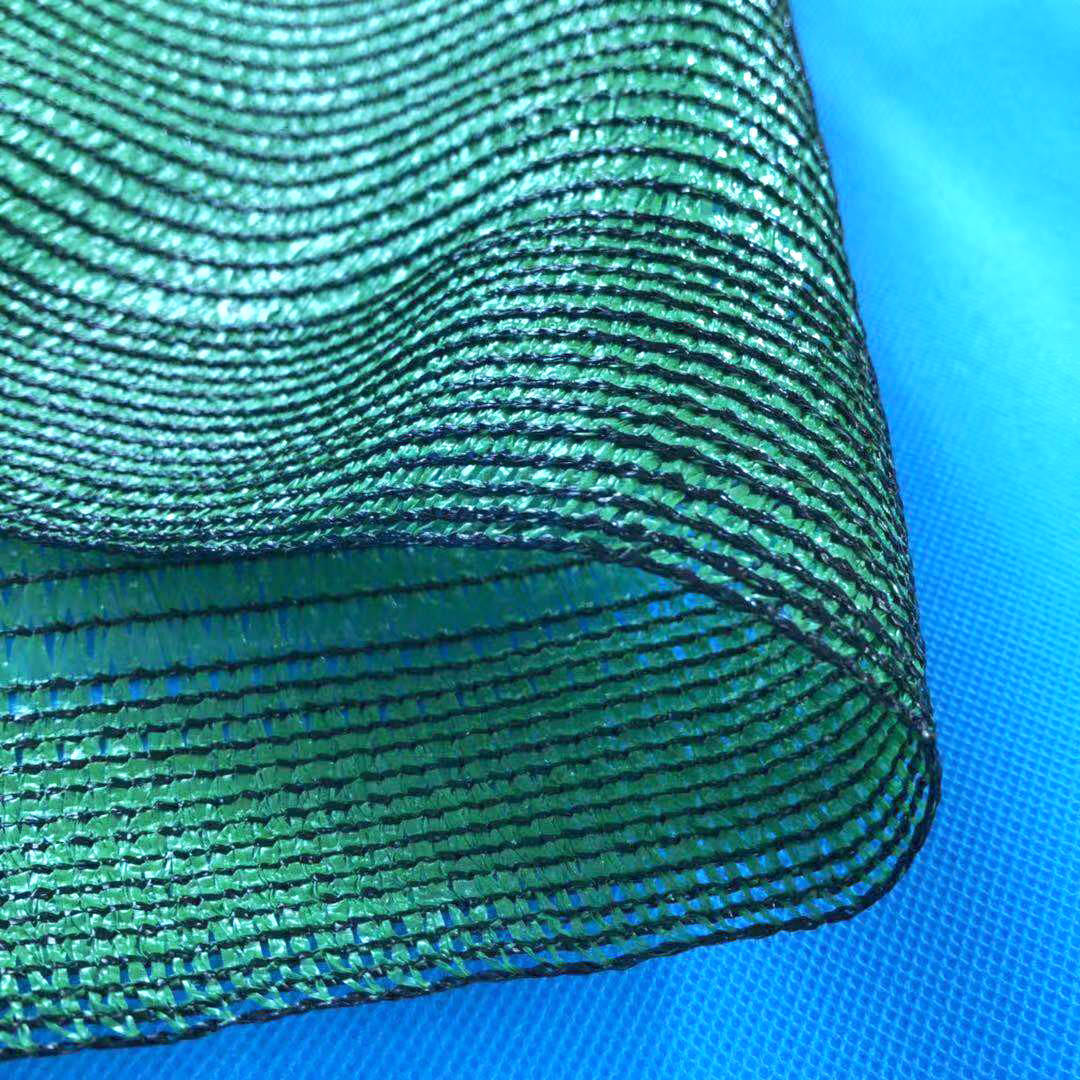
HDPE shade cloth is knitted or woven from high-density polyethylene fibers, then treated with UV stabilizers before being cut and hemmed into finished panels. That construction gives it a few distinct advantages over alternative shading materials:
- Breathability
The woven structure allows airflow, which keeps temperatures underneath noticeably lower than under a solid roof.
- UV blocking without total darkness
Depending on the density, HDPE shade can block anywhere from roughly 30% to over 90% of sunlight while still letting in usable daylight.
- Lightweight handling
Panels are far easier to install, tension, and remove than rigid shading structures.
- Long service life
A properly rated HDPE shade net can last several years outdoors in Dubai’s climate, compared with a single season or two for lower-grade materials.
- Low maintenance
It doesn’t require repainting, sealing, or the upkeep that wood or fabric shading structures demand.
The shading percentage matters more than most first-time buyers expect. A car park or nursery play area might need 90% shade density to meaningfully cut heat, while a garden or pergola might only need 50-70% to filter light without blocking it entirely.
Where HDPE Shade Gets Used Across Dubai
The applications stretch well beyond backyard patios:
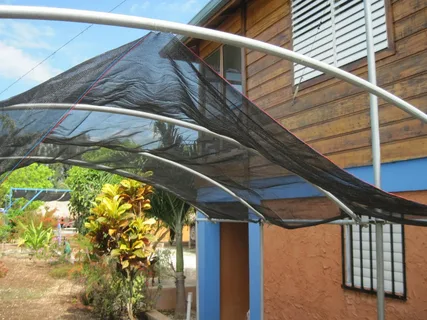
- Residential villas and gardens use it over pergolas, pool decks, and outdoor seating areas.
- Car parks and vehicle storage yards rely on high-density shade to reduce interior vehicle heat and slow paint and dashboard degradation.
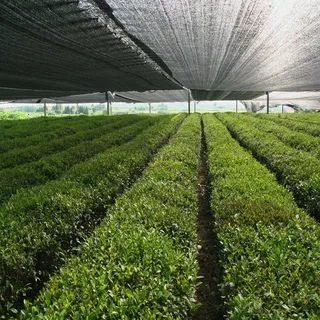
- Schools and nurseries install it over playgrounds so children can use outdoor space safely during hot months.
- Sports facilities use it to shade spectator areas, courts, and equipment storage.
- Construction sites and labor camps use it for worker rest areas, where heat exposure is a genuine safety concern.
- Retail and hospitality outdoor seating use it to keep customers comfortable without enclosing the space.
Each use case calls for a different shade percentage, panel size, and fixing method, which is why a generic, one-size-fits-all net rarely performs as well as one specified for the actual site.
How to Choose the Right HDPE Shade Supplier
Picking a supplier for HDPE shade in Dubai involves more than comparing price per square meter. A few checks help buyers avoid ending up with a net that fades or tears within a year:
- Ask for the shading percentage and UV stabilizer details rather than accepting a vague “heavy-duty” label.
- Check the hem and eyelet construction, since a poorly reinforced edge is usually where a shade net fails first under wind load.
- Request custom sizing, since most real installations — pergolas, irregular car park bays, playground perimeters — rarely match standard off-the-shelf dimensions.
- Confirm color and density options, since different projects benefit from different combinations of light filtering and heat reduction.
- Ask about installation support or guidance, particularly for larger commercial or facility-wide projects where incorrect tensioning shortens the material’s life.
A supplier willing to answer these questions in detail, rather than pushing a single standard product, is usually the one worth ordering from.
A Supplier That Understands the Local Climate
Buyers who’ve dealt with fading, brittle shade nets before tend to look for suppliers who source specifically for Gulf conditions rather than generic imported stock. Dubai Coast Trading supplies HDPE shade netting across a range of densities and sizes suited to villas, car parks, schools, and commercial sites throughout the UAE, with the kind of clear specifications and sizing flexibility that make it easier to match the right product to the actual space rather than guessing.
Whether the project is a single garden pergola or a full car park shading contract, working with a supplier who treats shading percentage, UV stabilization, and sizing as seriously as the buyer does tends to be the difference between a net that lasts one summer and one that lasts several.
Final Thoughts
HDPE shade in Dubai isn’t a decorative add-on — it’s a practical response to a climate that makes unshaded outdoor space genuinely unusable for large parts of the year. Getting real value from it means matching shading percentage and panel construction to the actual site, not just picking whatever’s cheapest at the hardware store. For anyone comparing options, requesting sample swatches and a straightforward quote from a supplier like Dubai Coast Trading is a sensible next step before committing to a full installation.