
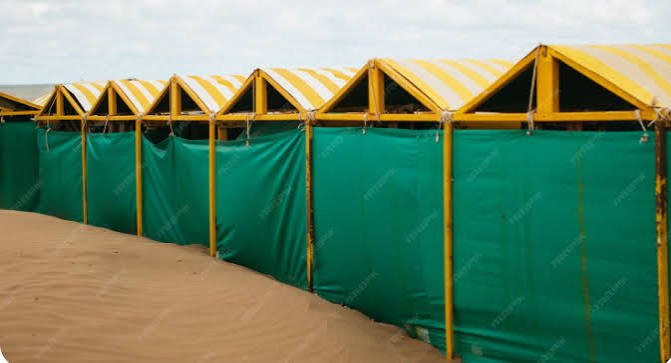
Dubai’s summers can push past 45°C, and its winter downpours, though brief, arrive hard enough to flood a poorly covered construction site in minutes. Anyone storing goods outdoors here already knows that a flimsy cover is not a cost-saving move — it’s a liability waiting to happen. That’s exactly why finding dependable PE tarpaulin suppliers in Dubai matters more than most buyers realize until the first torn sheet lets rainwater ruin a pallet of stock.
Polyethylene (PE) tarpaulins have become the default choice for warehouses, construction firms, logistics companies, and even event organizers across the UAE. They’re light, waterproof, resistant to UV degradation, and far cheaper to replace than the goods they’re meant to protect. But not every tarpaulin on the market delivers on those promises, which makes the choice of supplier just as important as the material itself.
Why Dubai’s Climate Makes Tarpaulin Quality Non-Negotiable
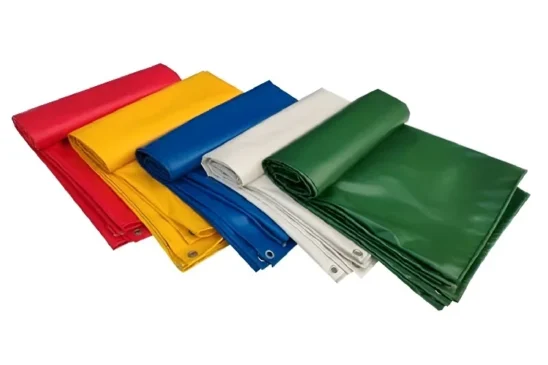
Few environments test outdoor materials the way Dubai does. Intense UV exposure breaks down cheap plastics within a single season, sandstorms abrade weak coatings, and sudden humidity swings encourage mold on anything that traps moisture instead of shedding it. A tarpaulin that performs well in a milder climate can fail here within weeks.
This is why buyers searching for PE tarpaulin suppliers in Dubai should treat the local climate as a filter, not an afterthought. A cover rated for general use elsewhere may not survive a Dubai rooftop, a desert logistics yard, or a coastal storage site exposed to salt air. Suppliers who manufacture or source specifically with Gulf conditions in mind tend to offer heavier gauges, reinforced UV stabilizers, and stronger eyelet reinforcement — details that separate a tarpaulin that lasts one project from one that lasts several years.
What Sets PE Tarpaulin Apart From Other Cover Materials
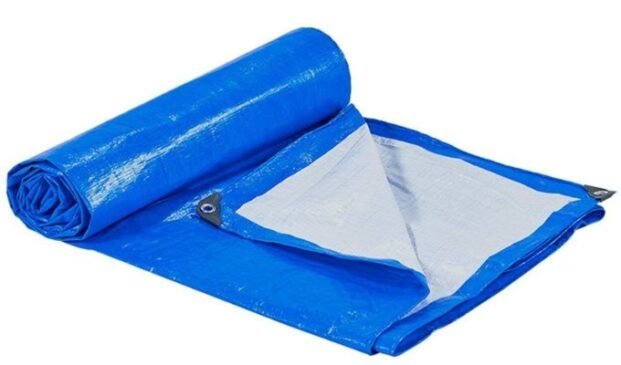
Polyethylene tarpaulin sits in a practical middle ground between cheap plastic sheeting and heavier canvas or PVC covers. It’s woven from high-density polyethylene strands, then laminated on both sides to create a fabric that’s genuinely waterproof rather than just water-resistant.
Compared with canvas, PE tarpaulin doesn’t absorb moisture, so it won’t rot, mildew, or become dramatically heavier when wet. Compared with PVC, it’s considerably lighter and easier to handle across large areas, which matters when a single sheet needs to cover a truck bed, a stacked pallet yard, or an entire construction scaffold. It also tolerates folding and unfolding far better than rigid alternatives, so the same sheet can be reused across multiple jobs without cracking at the seams.
The trade-off is that not all PE tarpaulin is equal. Thickness, usually measured in GSM (grams per square meter), determines how much punishment a sheet can absorb before it tears. A 90-120 GSM sheet suits light, short-term covering, while heavy-duty applications — scaffolding, open-yard storage, or long-haul transport covers — call for 150 GSM and above. Reliable PE tarpaulin suppliers in Dubai will always specify GSM upfront rather than leaving buyers to guess from a product photo.
Where PE Tarpaulin Gets Put to Work Across the City
The range of use cases in Dubai is wider than most first-time buyers expect:
- Construction sites use it to shield materials, scaffolding, and unfinished structures from dust, rain, and sun damage.
- Warehouses and logistics yards rely on it to protect stacked inventory during loading, unloading, and outdoor overflow storage.
- Transport and freight operators stretch it over open trucks and containers to keep cargo dry across long routes.
- Event organizers use lighter grades for temporary shelter, flooring protection, and equipment covers.
- Agricultural and landscaping projects use it for ground cover, shade, and protecting supplies on open land.
Each of these applications puts different stress on the material, which is another reason buyers benefit from working with a supplier who asks about intended use rather than selling a single generic product to everyone.
How to Choose the Right Supplier, Not Just the Right Product
The tarpaulin itself is only half the equation. The supplier behind it determines whether you get consistent quality, honest sizing, and support when something goes wrong. A few practical checks help separate serious suppliers from resellers simply moving imported stock:
- Ask for GSM and material specifications in writing, not just a verbal assurance of “heavy-duty” quality.
- Request samples before committing to a bulk order, especially for large construction or logistics contracts.
- Check reinforcement details — taped edges, brass eyelets, and stitched hems all affect how long a sheet survives repeated use.
- Confirm custom sizing options, since standard sheet sizes rarely fit irregular sites or specialized equipment perfectly.
- Look at delivery capability, particularly for time-sensitive construction or freight schedules where a delayed cover order can stall an entire project.
Price matters too, but the cheapest sheet is rarely the cheapest option once you factor in replacement frequency, damaged goods, and project delays caused by an underperforming cover.
Working With a Supplier That Understands Local Demand
Buyers who’ve been through a few disappointing orders tend to gravitate toward suppliers with real regional experience rather than generic online listings. Dubai Coast Trading has built its tarpaulin supply around exactly that gap — sourcing PE tarpaulin in a range of GSM grades and sizes suited to construction, logistics, and outdoor storage needs across the UAE, with the kind of straightforward specifications and responsive service that bulk buyers actually need when a project timeline is on the line.
Whether the requirement is a handful of sheets for a short-term job or a recurring bulk supply for an active site, working with a supplier that treats specifications, sizing, and delivery timelines as seriously as the buyer does tends to save far more money than shopping purely on price.
Final Thoughts
Choosing among PE tarpaulin suppliers in Dubai isn’t just about finding the lowest price per sheet — it’s about matching the material’s thickness, reinforcement, and UV resistance to a climate that shows no mercy to weak materials. Buyers who ask the right questions upfront, request real specifications, and work with suppliers who understand local conditions end up spending less over the life of a project, not more. For anyone weighing options right now, reaching out to a supplier like Dubai Coast Trading for sample sheets and a straightforward quote is a reasonable next step before committing to a full order.